2026 Best Joint Arthroplasty Procedure Techniques and Innovations?
The field of joint arthroplasty procedure is evolving rapidly. Innovations in techniques are transforming how surgeons address joint-related issues. As patients seek higher quality of life, understanding these advancements becomes critical.
Recent innovations focus on enhancing surgical precision and recovery times. For instance, robotic-assisted surgeries seem promising but require further study on long-term outcomes. Surgeons must balance the risks and benefits of new technologies.
Despite advancements, challenges remain in the adoption of these procedures. Not all healthcare facilities have access to the latest tools. Additionally, patient education on the benefits and potential risks of joint arthroplasty procedures must improve. As we explore 2026's best techniques, a cautious yet optimistic approach is essential in this dynamic field.
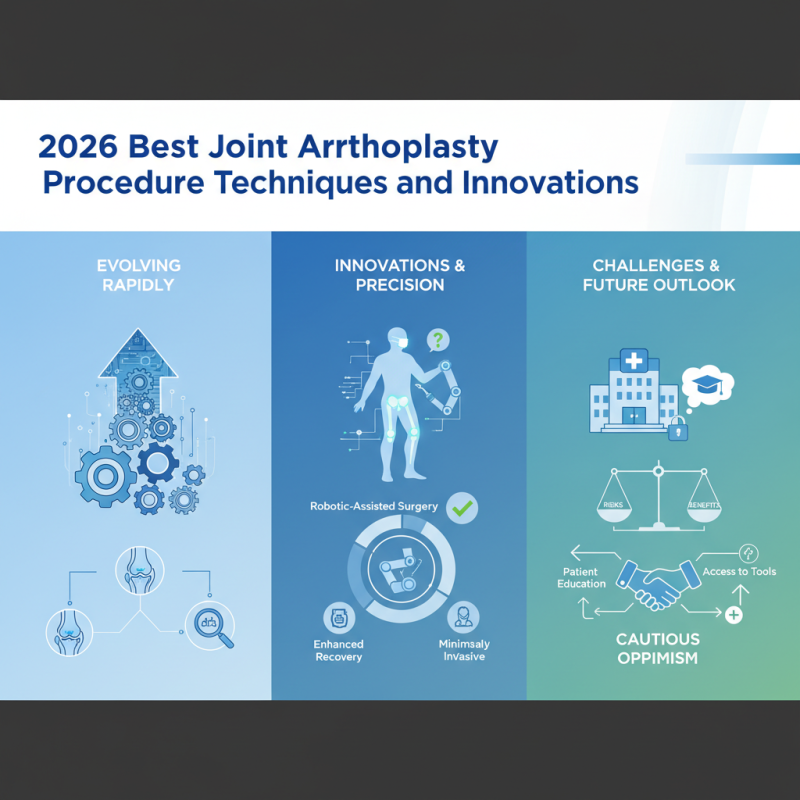
Table of Contents
[Hide]
2026 Advancements in Joint Arthroplasty Techniques
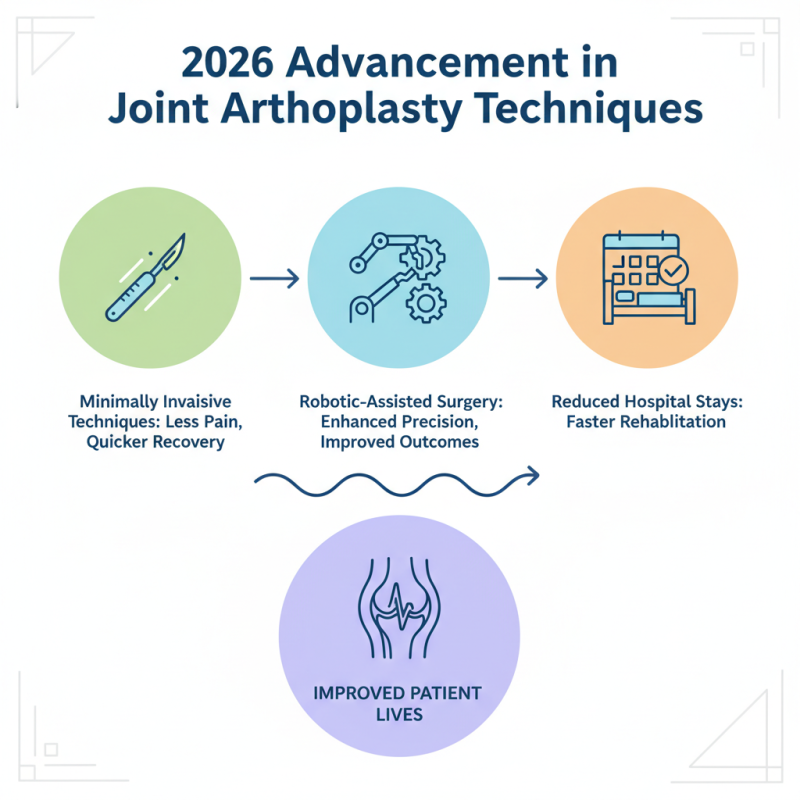
The field of joint arthroplasty is witnessing remarkable advancements. Surgeons are adopting minimally invasive techniques, leading to less pain and quicker recovery. New robotic-assisted surgeries provide enhanced precision. These innovations help in improving patient outcomes and reducing hospital stays.
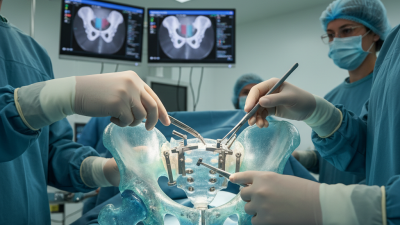
Another exciting development is the use of advanced materials in joint implants. Biocompatible materials are now more common, and they reduce the risk of infection and rejection. Personalized implants manufactured through 3D printing are gaining traction. This customized approach allows for improved fit and function.
Despite these advancements, challenges remain. Not all patients respond the same way to new techniques. Some still experience complications or delays in recovery. Continuous learning and adaptation are crucial for healthcare professionals. As technology evolves, so must our understanding of its applications in joint arthroplasty.
Innovative Materials Used in Joint Replacement Procedures
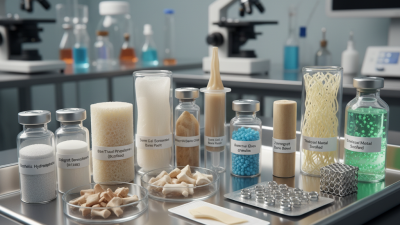
Innovative materials are reshaping joint replacement procedures. Surgeons now explore advanced polymers, ceramics, and metal alloys to enhance patient outcomes. These materials improve durability and reduce wear. For example, polyethylene is upgraded to resist wear more effectively. Advanced ceramics provide low friction, leading to smoother movement.
Surgeons face challenges with these innovations. While new materials promise longevity, they can also pose compatibility risks. Some patients may experience reactions. Careful selection is crucial to minimize complications. Ongoing research is vital to understand the long-term effects of new materials. It’s essential for practitioners to stay informed about these developments.
The application of biomaterials showcases remarkable potential. Some research focuses on bioactive materials that promote healing. These can actively bond with surrounding tissues. Nonetheless, their long-term performance remains under investigation. Innovations often require rigorous testing before widespread adoption. Balancing innovation with patient safety is an ongoing dialogue in orthopedic surgery.
2026 Joint Arthroplasty Procedure Techniques and Innovations
Minimally Invasive Strategies in Joint Arthroplasty
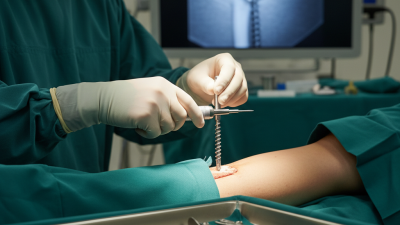
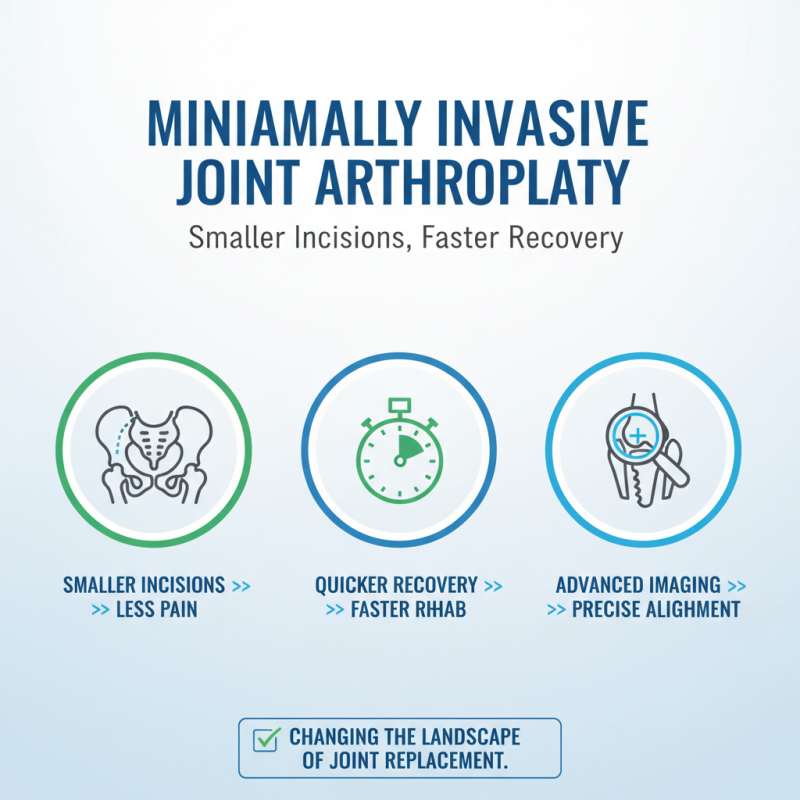
Minimally invasive strategies are changing the landscape of joint arthroplasty. Surgeons now opt for smaller incisions, which significantly reduce recovery times. Patients often experience less pain and quicker rehabilitation. Advanced imaging techniques enhance precision during procedures, ensuring optimal alignment of implants.
Tips: Always discuss your concerns with your surgeon. Understanding the procedure can ease anxiety and foster trust. Education plays a crucial role in decision-making. Consider exploring various minimally invasive options available for your condition.
Despite the benefits, not all patients are suitable candidates for these techniques. It is essential to evaluate individual health factors. Some complex cases may still require traditional approaches. This calls for an open dialogue with healthcare providers about the best possible options and potential risks. Being informed fosters a better experience and outcome for patients undergoing arthroplasty.
Robotic Assistance in Joint Replacement Surgery
Robotic assistance in joint replacement surgery is transforming the landscape of arthroplasty. A study published by the Journal of Robotics in Medicine highlights that the accuracy of robotic-assisted surgeries can reach up to 98%. This precision significantly improves alignment in knee and hip replacements. Such advancements minimize complications and enhance recovery times for patients.
Although robotics show promise, challenges remain. Surgeons must undergo extensive training to operate these systems effectively. A survey revealed that 40% of orthopedic surgeons feel unprepared to use robotic technologies. Furthermore, the initial costs of robotic systems can be prohibitive for many healthcare facilities. These factors underline the need for continual evaluation of robotic systems and their integration into standard practice.
In 2026, the focus will likely shift towards improving robotic systems further. Innovation in haptic feedback and AI integration is on the rise. These technologies aim to provide surgeons with real-time data during procedures. However, as these innovations emerge, ongoing studies will be crucial to validate their effectiveness. Balancing technological advancement with clinical proficiency is essential for optimizing patient outcomes in joint arthroplasty.
2026 Best Joint Arthroplasty Procedure Techniques and Innovations
| Technique | Description | Benefits | Innovation Level |
|---|---|---|---|
| Robotic-Assisted Total Knee Replacement | Utilizes robotic arms for precision alignment and implantation of knee prosthesis. | Improved accuracy, reduced recovery time, and better patient outcomes. | High |
| Minimally Invasive Hip Surgery | Smaller incisions and less muscle damage compared to traditional methods. | Quicker recovery, less postoperative pain, and reduced scarring. | Medium |
| Custom 3D-Printed Implants | Implants designed specifically for the patient's anatomy using 3D printing technology. | Enhanced fit, improved integration, and better long-term performance. | High |
| Enhanced Recovery After Surgery (ERAS) | A protocol designed to improve recovery through multimodal anesthesia and quick mobilization. | Faster recovery and reduced hospital stay. | Medium |
| Navigation Systems in Joint Surgery | Computer-assisted navigation for real-time tracking of surgical instruments during the procedure. | Increased precision and better alignment of implants. | Medium |
Postoperative Care and Rehabilitation Innovations for Joint Patients
Postoperative care and rehabilitation after joint arthroplasty have significantly evolved. New techniques focus on enhancing patient recovery experiences. Innovations in physical therapy emphasize personalized exercise plans. These are tailored to the individual’s needs and capabilities. Such approaches can help improve mobility and strength.
Technology also plays a role in rehabilitation. Wearable devices monitor patient activity, providing real-time feedback on progress. This aids physical therapists in adjusting rehabilitation regimens. However, reliance on technology can sometimes overshadow the human aspect of care. Personal connections between patients and therapists remain vital for emotional support and motivation.
Educational programs for patients have been developed as well. They inform patients about recovery processes and what to expect. Yet, some patients still report confusion about their recovery timelines. Clear and continuous communication is essential. Balancing advanced techniques with personalized attention is a challenge for healthcare providers.