7 Best Hip Prosthesis Replacement Options for Buyers
Choosing among the 7 Best Hip Prosthesis Replacement Options for Buyers starts with a clear distinction: an implant is not a one-size-fits-all product. The right choice depends on bone quality, activity level, age, medical history, and the surgeon’s experience. Small details matter. A ceramic head may be paired with a highly cross-linked polyethylene liner; another system may use a different bearing surface or fixation method. Each combination has trade-offs, and no material is best for every patient.
The American Academy of Orthopaedic Surgeons reports that more than 450,000 total hip replacements are performed in the United States each year. That scale makes dependable outcome data important. The Australian Orthopaedic Association National Joint Replacement Registry’s 2024 annual report tracks implant use and revision outcomes, helping clinicians compare performance across large patient groups. Registry results describe populations, not a promise about one person’s future. That distinction is easy to miss.
This guide compares common prosthesis designs, materials, and fixation approaches using clinical evidence and practical buyer considerations. Look beyond marketing claims. Ask how long the implant has been tracked, how revision rates are reported, and whether results apply to patients like you. A lower price can be appealing, but compatibility, surgical judgment, and long-term follow-up deserve equal attention. Even with good evidence, uncertainty remains. The final decision should be made with an orthopedic surgeon who understands your health and goals.
What a Hip Prosthesis Replacement Involves
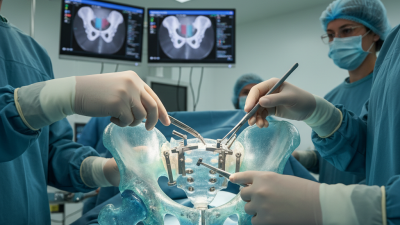
A hip prosthesis replacement, or total hip replacement, removes damaged joint surfaces and replaces them with artificial components. The surgeon usually removes the femoral head and prepares the hip socket. A stem fits inside the thighbone, while a new ball and socket restore movement. The bearing surfaces may use different material combinations, so ask how each option suits your age, bone quality, activity level, and medical history. The operation is performed under anesthesia. Many patients walk with support soon after surgery, but timing varies.
It is more than choosing an implant. Your care team reviews imaging, medicines, infection risks, and plans for pain control and rehabilitation. Afterward, expect a wound dressing, walking aids, and exercises that gradually build strength. Pain is not linear. Some days feel harder, and recovery can take months. The 2019 Lancet systematic review of hip replacement longevity estimated that about 58% of replacements in registry studies remained unrevised at 25 years. That is a population estimate, not a personal guarantee; implant survival depends on patient and surgical factors. Ask your surgeon what evidence supports the proposed materials and what complications or restrictions matter for your situation.
How Hip Prostheses Differ by Design and Materials
Hip prostheses combine a stem, ball, socket liner, and fixation method. Their design and materials can affect wear, stability, and how the implant attaches to bone. Fit matters more.
A ceramic head paired with highly cross-linked polyethylene is a common option, with low friction but some gradual liner wear. A metal head with a polyethylene liner is another established pairing. Ceramic-on-ceramic uses hard bearing surfaces and may reduce wear, though squeaking or fracture can occur. These choices suit different needs.
The stem and socket may be cemented, press-fit for bone growth, or combined in a hybrid design. Cemented fixation may suit some people with weaker bone; press-fit components need enough bone for stable ingrowth. A dual-mobility socket adds another bearing surface and may help reduce dislocation risk for selected patients. These seven choices overlap; bearing materials can be paired with different fixation methods. No choice is perfect. Age, bone density, activity, anatomy, and surgical technique all matter. It is easy to focus too much on wear; stability and future revision deserve attention too. Ask the surgeon which trade-offs fit your imaging and health history.
Seven Hip Prosthesis Options Compared
Choosing a hip prosthesis involves more than comparing materials. Ceramic-on-polyethylene pairs a ceramic ball with a plastic liner, offering a balance of wear resistance and practical experience. Metal-on-polyethylene uses a metal ball and similar liner; it remains a familiar option, though individual risks and implant design matter. Ceramic-on-ceramic uses hard surfaces on both sides. It can reduce wear, but squeaking or fracture, though uncommon, may concern some patients. No option fits everyone.
Dual-mobility systems add a larger mobile liner to improve joint stability. They may be considered when dislocation risk is higher, but they have specific trade-offs. Fixation is another choice: cemented implants use bone cement, while cementless implants rely on bone growing onto a textured surface. Hybrid fixation combines both approaches, often using cement for one component and cementless fixation for another. These categories can overlap; a bearing material and fixation method are not mutually exclusive.
A useful comparison includes expected activity, bone quality, age, medical history, and the surgeon’s experience with each design. Ask how long the implant has been studied, what complications are monitored, and which alternatives suit your situation. Details matter. A brochure cannot predict your outcome. I would not treat a “best” ranking as a personal recommendation; even clear comparisons leave uncertainty, and recovery depends on more than the implant itself.
Factors to Consider When Evaluating Implant Options
When comparing hip replacement implants, consider how each option fits your anatomy, bone quality, age, and daily activities. A surgeon may discuss bearing surfaces, such as ceramic or metal components paired with durable plastic. Each combination has potential benefits and trade-offs. Details matter.
Fixation is another factor. Some implants are secured with bone cement; others rely on bone growing onto a porous surface. Bone strength, surgical technique, and the surgeon’s experience can influence which approach is suitable. There is no single best choice for everyone. A design that sounds advanced may not be the right match for a particular patient.
Ask how the proposed implant may affect movement, recovery, and future imaging or revision surgery. Request clear explanations of known risks, expected follow-up, and evidence from patients with similar needs. Bring up activities that matter to you, from climbing stairs to gardening. Also discuss allergies, other health conditions, and medication use. It can feel awkward to ask about failure rates, but those questions are reasonable. The decision may still feel uncertain, and that is worth acknowledging. Review the options with an orthopaedic surgeon who can assess your scans and overall health.
Questions to Discuss With an Orthopedic Surgeon
Questions to Discuss With an Orthopedic Surgeon
Ask which hip replacement approach and implant materials fit your anatomy, bone quality, activity level, and medical history. Then ask why that option suits you better than alternatives. “Which parts of my plan might change during surgery?” is worth asking. So is “How often do you perform this procedure, and how do you track complications and revisions?” Request clear explanations of fixation, expected pain control, walking aids, and when you can resume driving or work. Bring your medication list and mention falls, dental problems, or previous joint infections. Small details matter.
Ask how long the implant may last, but treat any number as an estimate. A 2019 Lancet systematic review using national registry data estimated 58.4% survival at 25 years for total hip replacements. That figure describes groups, not your personal outcome; implant type, age, health, and follow-up all affect interpretation. Ask which registry evidence supports the recommendation and whether comparable patients were included. Ask about risks such as infection, blood clots, dislocation, and leg-length difference, plus the signs that need urgent attention. One uncomfortable question: “What could make you recommend delaying surgery?” It can reveal whether non-surgical care remains reasonable. Answers may not be perfectly certain. Good counseling should make that uncertainty visible, not disguise it.