What is Cannulated Screw Fixation and How Does It Work?
Cannulated Screw Fixation has emerged as a vital technique in orthopedic surgery, especially for treating fractures. Research shows that in 2020, over 1.1 million orthopedic surgeries were performed in the United States alone. This method allows for precise placement of screws while minimizing tissue damage. It enhances recovery times and reduces complications associated with traditional fixation methods.
A recent study demonstrated that Cannulated Screw Fixation leads to a 25% faster healing rate in specific types of fractures. This data highlights its importance in modern surgery, particularly among younger, active patients. However, not all cases yield ideal results. Factors such as patient compliance and the surgeon's experience can significantly influence outcomes.
While Cannulated Screw Fixation offers numerous advantages, some surgeons still face challenges. The learning curve can be steep. Additionally, equipment costs may deter some facilities from adopting this technique. These challenges need careful consideration. An increase in training and awareness could enhance its application in diverse orthopedic scenarios.
What is Cannulated Screw Fixation?
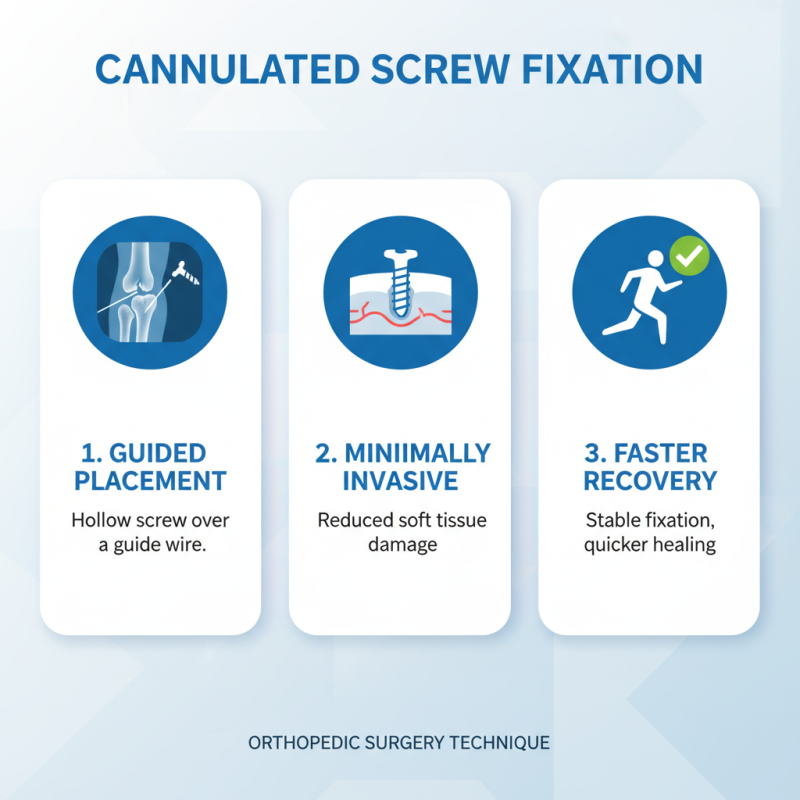
Cannulated screw fixation is a surgical technique widely used in orthopedics to stabilize bone fractures. This method utilizes screws that have a hollow center, allowing for guided placement over a guide wire. This feature is particularly beneficial in minimally invasive procedures, where precision is crucial. The cannulated design reduces soft tissue damage and aids in a quicker recovery for patients.
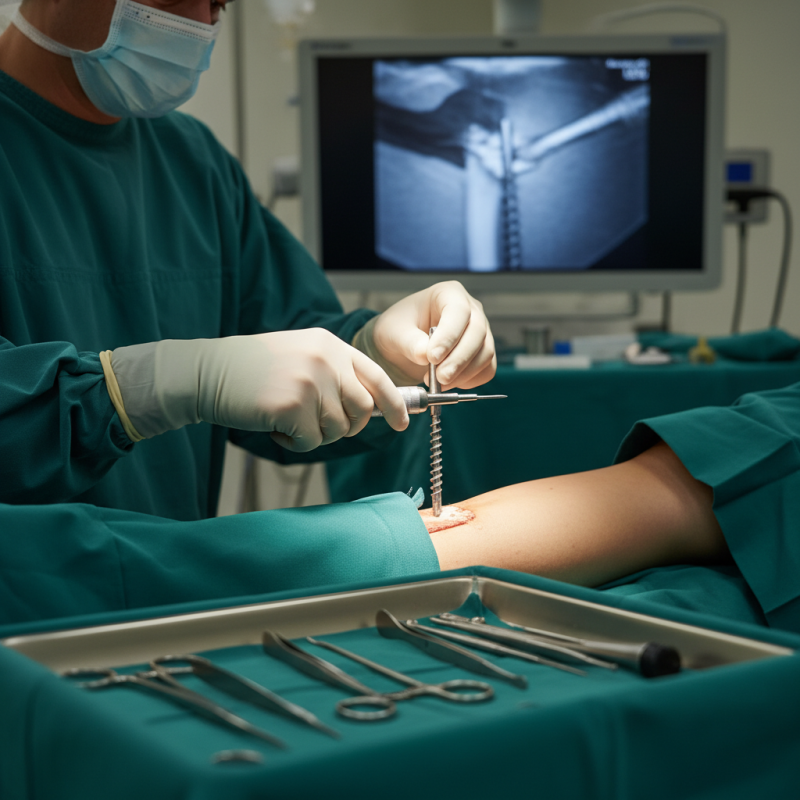
During the procedure, the surgeon drills a small hole into the bone. They then insert a guide wire into the bone, followed by the cannulated screw. This step minimizes the trauma to surrounding tissues. Surgeons report that using this method often results in fewer complications, though it is not without challenges. Ensuring proper alignment can sometimes be tricky. Surgeons must have the right skills and experience to achieve optimal results. When performed correctly, cannulated screw fixation can effectively stabilize fractures, allowing for better healing.
Historical Development of Cannulated Screws in Orthopedic Surgery
Cannulated screws have a rich history in orthopedic surgery. Initially developed in the mid-20th century, they addressed the need for precise fixation. The design allows for a hollow center, enabling guide wires to be placed with accuracy. This innovation transformed fracture management by minimizing soft tissue disruption. Surgeons were able to stabilize bones while preserving the surrounding structure.
Over the years, advancements led to various sizes and materials, enhancing their versatility. Cannulated screws became essential in treating orthopedic conditions like osteoporotic fractures. Despite their success, challenges remain. Misalignment can occur if placement isn't meticulous. Surgeons must be skilled to ensure proper insertion. Ongoing research aims to refine these devices further, addressing current limitations and improving patient outcomes. The evolution of cannulated screws illustrates the continuous progression in surgical techniques and materials.
What is Cannulated Screw Fixation and How Does It Work? - Historical Development of Cannulated Screws in Orthopedic Surgery
| Dimension |
Detail |
| Type of Screw |
Cannulated Screw |
| Material |
Stainless Steel or Titanium |
| Typical Use |
Bone fracture fixation and stabilization |
| Design Feature |
Hollow shaft allowing for intraoperative guide wire placement |
| Historical Milestone |
First introduced in the 1980s |
| Advantages |
Minimally invasive, precise placement, reduced surgery time |
| Common Applications |
Ankle fractures, hip fractures, and other orthopedic procedures |
Mechanism of Action: How Cannulated Screws Provide Stability
Cannulated screw fixation is a widely used orthopedic technique. Its primary purpose is to stabilize bone fractures, especially in the hip and knee areas. The cannulated screw features a hollow shaft, allowing for precise placement over guide wires. This design minimizes soft tissue damage and promotes quicker recovery. Surgeons can accurately position screws in fragmented and complex fractures, helping to restore functionality.
The mechanism of action relies on the screw’s thread design. The threads engage the surrounding bone, facilitating strong fixation. This offers stability by distributing load evenly. The cannulated shaft allows for the insertion of instruments and facilitates accurate alignment. Proper placement is crucial as misalignment can lead to complications, including nonunion or malunion of bones.
**Tips:** It’s essential to monitor the healing process closely. Look for any signs of discomfort or unusual swelling around the surgery site. Always consult with an orthopedic specialist if there are concerns about recovery. Patience during the healing phase can significantly impact long-term outcomes. Consider physical therapy to enhance range of motion and strength after the initial healing period.
Applications of Cannulated Screw Fixation in Fracture Treatment
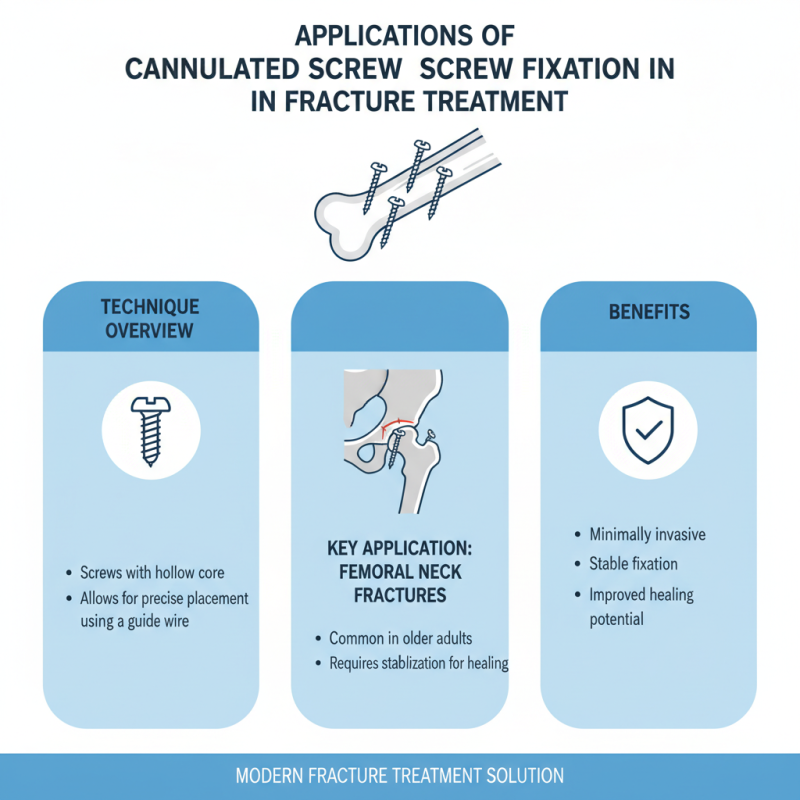
Cannulated screw fixation plays a crucial role in modern fracture treatment. This technique involves using screws with a hollow core, allowing for precise placement. One key application is in the management of femoral neck fractures. These injuries often occur in older adults and require careful stabilization for effective healing.
Another significant use is in scaphoid fractures. These fractures are common among young, active individuals and can lead to complications if not treated properly. Cannulated screws enable surgeons to achieve accurate alignment, promoting better outcomes.
**Tips:** When considering this procedure, ensure you consult with a qualified orthopedic specialist. Learning about potential risks and benefits is essential. Keep in mind, recovery may vary among individuals, and patience is vital.
While cannulated screw fixation offers many advantages, it's not without challenges. Some patients experience complications, such as infection or non-union. Discussing concerns with your healthcare provider can help mitigate these risks. Each case is unique, and personalized treatment plans are key for effective healing.
Comparative Analysis: Cannulated Screws vs. Regular Screws in Surgery
Cannulated screws have gained attention for their unique design, which allows for better placement during surgical procedures. In contrast to regular screws, cannulated screws feature a hollow center. This design enables surgeons to insert a guide wire before placing the screw. It results in greater accuracy and control during the fixation process. Furthermore, the hollow design reduces the risk of damaging surrounding tissues.
When comparing these two types of screws, several factors come into play. Cannulated screws often lead to less trauma during insertion. This is particularly important in delicate areas, where precision is crucial. However, they may be more expensive than their regular counterparts, which raises questions about cost-effectiveness. Additionally, some surgeons may still prefer regular screws due to their simplicity and familiarity.
There's a learning curve associated with cannulated screws. Some surgeons may need time to adapt to this technique. Potential complications can arise if the screws are misaligned. Therefore, proper training and experience are essential in maximizing their benefits. Despite the advantages, it’s vital to assess each patient’s unique needs and choose the appropriate fixation method accordingly.
Cannulated Screws vs. Regular Screws: A Comparative Analysis
This bar chart compares the performance of cannulated screws and regular screws based on various parameters such as tensile strength, flexural strength, ease of insertion, and cost. Cannulated screws provide advantages in ease of insertion but may have lower strength compared to regular screws.