China Top Medical Oxygen Mask Manufacturer Supplier?
Choosing a China top Medical Oxygen Mask manufacturer supplier requires more than comparing prices or viewing polished product photos. Buyers should examine production experience, material controls, and documented quality procedures before making contact. A dependable supplier can explain mask sizes, oxygen tubing options, connector compatibility, packaging methods, and intended clinical applications clearly.
Real evaluation often begins with small details. Inspect the mask’s softness, edge finish, transparency, and connection strength. Ask how the supplier manages incoming materials, batch records, sampling, and final inspections. Manufacturing facilities should provide verifiable business information, product specifications, and relevant quality certifications for the destination market. Independent testing may also help confirm performance, labeling accuracy, and packaging integrity.
Not every supplier communicates equally well. That matters. Slow replies, unclear certificates, or inconsistent specifications deserve careful attention. A factory may offer competitive pricing, yet still require stronger documentation or better quality controls. Buyers should request samples and compare them under practical conditions, such as comfort during extended wear and secure tubing attachment. Small defects can become serious inconveniences in healthcare settings.
This guide introduces practical criteria for assessing Chinese oxygen mask manufacturers and suppliers. It considers production capability, customization, quality assurance, communication, logistics, and after-sales support. The goal is not to name a supplier without evidence. It is to help readers ask better questions, verify important claims, and select a partner with dependable medical product experience. Supplier performance can change over time, so regular review remains necessary.
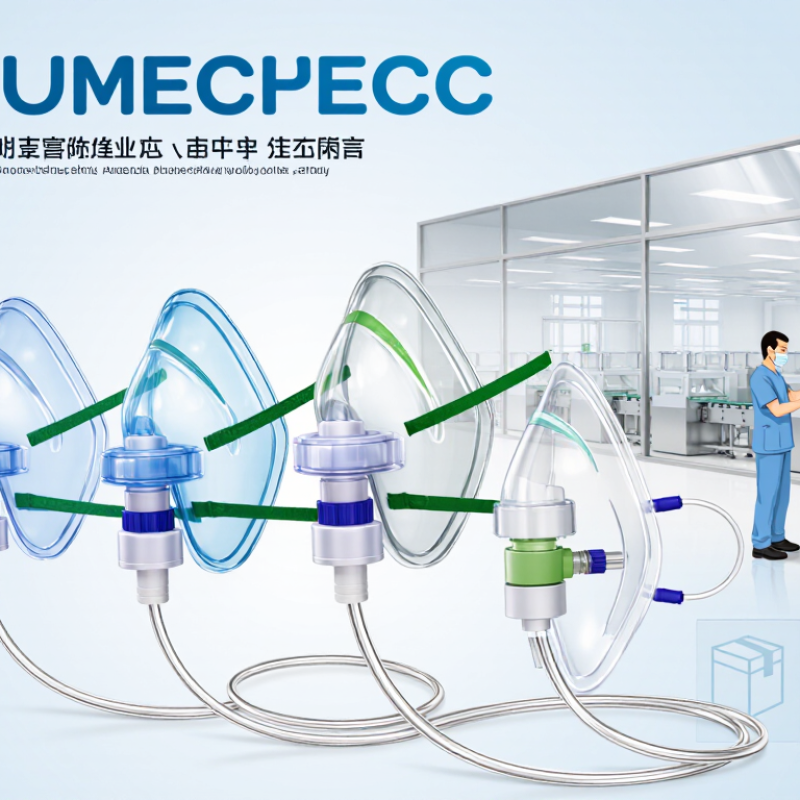
What Defines a Leading Medical Oxygen Mask Supplier in China
A leading medical oxygen mask supplier in China is defined by evidence, not attractive pricing. It should show stable production experience, trained technicians, and a documented quality system. A practical factory audit examines material storage, molding areas, assembly lines, and final inspection stations. Ask to see batch records and calibration certificates. Measure connector fit, tubing flexibility, mask clarity, and airflow consistency. Small details matter.
Material selection should support comfort, strength, and safe oxygen delivery. The mask should remain flexible without collapsing during use. Smooth edges can reduce facial irritation, especially during extended treatment. Clear markings should identify size, lot number, and production date. Packaging must protect each mask from dust, moisture, and deformation. Suppliers should explain whether products are sterile or non-sterile. Unclear answers deserve caution.
Reliable communication is another defining quality. A strong supplier responds with technical drawings, test reports, and realistic lead times. Request samples before placing a large order. Then compare fit across adult, pediatric, and different facial shapes. No supplier is flawless. That is normal. What matters is how quickly the factory investigates a complaint and documents corrective action. A serious partner also maintains traceability from incoming materials to shipment, while openly discussing limits, failed tests, and possible improvements.
What Defines a Leading Medical Oxygen Mask Supplier in China?
A capable medical oxygen mask supplier should support clinically appropriate product specifications across different oxygen-delivery applications. The chart shows typical adult oxygen-flow ranges used for common mask types: nasal cannulas generally operate at 1–6 L/min, simple masks at 5–10 L/min, non-rebreather masks at 10–15 L/min, and Venturi masks across adapter-specific ranges of approximately 4–12 L/min. Consistent flow performance, clear labeling, reliable materials, and compliance with applicable medical-device requirements are essential supplier qualities. Actual selection and use should follow clinical guidance and the device instructions.
Types and Clinical Uses of Medical Oxygen Masks
Medical oxygen masks support controlled oxygen delivery in hospitals, ambulances, and home-care settings. The WHO Model List of Essential Medicines includes oxygen therapy for severe respiratory illness, while WHO clinical guidance stresses monitoring through pulse oximetry. Oxygen is treatment, not decoration.
A simple face mask usually delivers about 5–10 liters per minute. Clinicians may use it for short-term support when nasal cannula flow is insufficient. A Venturi mask provides a more precise oxygen concentration, making it useful for patients vulnerable to carbon dioxide retention. A non-rebreather mask can deliver high oxygen concentrations during acute distress, often at 10–15 liters per minute. It needs a properly inflated reservoir bag. A loose seal reduces performance.
Clinical choice depends on oxygen saturation, breathing effort, diagnosis, and patient tolerance. The British Thoracic Society oxygen guideline recommends prescribed target saturations, commonly 94–98% for many adults and 88–92% for patients at risk of hypercapnic respiratory failure. These are not universal targets. Check local protocols and reassess frequently. WHO’s 2023 oxygen-access reporting also shows that reliable oxygen infrastructure remains limited in many low- and middle-income settings, so mask quality alone cannot solve delivery problems. Suppliers should verify flow rates, connector fit, material safety, packaging integrity, and traceability under a documented quality system. Small leaks matter. I still see product descriptions treating “high concentration” as a clinical guarantee, which is an unsafe assumption.
How Chinese Oxygen Mask Manufacturers Control Product Quality
China Top Medical Oxygen Mask Manufacturer Supplier?
How Chinese Oxygen Mask Manufacturers Control Product Quality
Reliable Chinese oxygen mask manufacturers manage quality through documented controls, trained staff, and repeated testing. The process begins with incoming material checks. Medical-grade plastic, elastic straps, connectors, and packaging are inspected against approved specifications. Samples are measured for thickness, flexibility, color, and odor. Small defects matter.
During molding and assembly, operators follow controlled work instructions. Supervisors check mask shape, connector position, strap strength, and smooth edges. Many facilities use calibrated gauges and air-leak testing equipment. Each production lot receives an identification code. This supports traceability from raw materials to shipment.
Quality teams also perform visual inspections under strong lighting. They test packaging seals and confirm printed information remains readable. Responsible manufacturers maintain clean production areas and monitor environmental conditions. They also review complaints and investigate recurring defects through corrective actions. A visual check can miss hidden weakness. That is why sampling plans and functional testing remain necessary. No quality system is flawless. Human error, equipment wear, or rushed inspections can still affect results. Strong suppliers recognize these risks and improve procedures after audits, failed tests, or customer feedback. They align their systems with applicable medical-device requirements and recognized quality-management practices, while keeping records available for review.