What is Kitchen Towel Machine Production Line Benefits and Features?
The Kitchen Towel Machine Production Line is revolutionizing the paper product industry. This advanced technology streamlines the production of kitchen towels, enhancing efficiency and reducing costs. By automating the process, manufacturers can meet increasing consumer demand while maintaining high quality.
This production line offers several benefits, such as improved speed and consistency. With precise machinery, every towel is uniform in size and absorbency. Companies benefit from reduced labor costs, allowing them to reallocate resources to other crucial areas. Moreover, the equipment is designed to minimize waste, contributing to a more sustainable manufacturing process.
However, challenges remain. Initial investments in such technology can be significant. Smaller companies might struggle to afford this, potentially widening the gap in the market. Yet, the potential for increased productivity makes the Kitchen Towel Machine Production Line a worthwhile consideration. Ultimately, understanding these features and benefits is vital for businesses aiming to thrive in a competitive landscape.
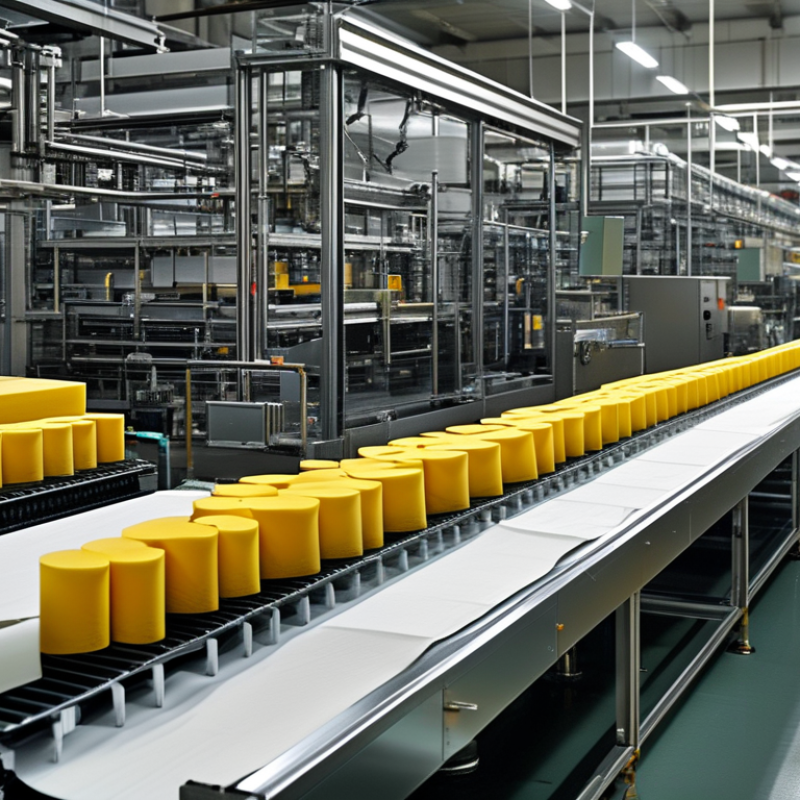
Benefits of Kitchen Towel Machine Production Line in Modern Manufacturing
The kitchen towel machine production line offers numerous benefits that enhance modern manufacturing. With automated processes, production efficiency increases significantly. Manufacturers can produce large quantities without compromising quality. This efficiency can reduce operational costs over time.
Additionally, the precision of these machines allows for consistent product quality. Small variations in texture or absorbency can be minimized, leading to a more reliable product. However, achieving this level of precision requires regular maintenance and calibration, which some companies may overlook.
The technology also allows for customization, catering to different market demands. This flexibility can boost competitiveness. Yet, companies often find themselves struggling to keep up with evolving trends and consumer preferences. It's crucial to invest in research and development to address these challenges. Ultimately, the kitchen towel machine production line has the potential to revolutionize manufacturing, but companies must navigate changes wisely.
What is Kitchen Towel Machine Production Line Benefits and Features?
| Feature | Description | Benefits |
| Automated Production | Uses advanced automation technology for high efficiency. | Reduces labor costs and increases production speed. |
| High Quality Output | Produces kitchen towels with consistent quality and softness. | Enhances customer satisfaction and brand reputation. |
| Energy Efficiency | Designed to minimize energy consumption during operation. | Lower utility bills and reduced environmental impact. |
| Versatility | Can produce various types of kitchen towels and other paper products. | Flexibility to adapt to market demands. |
| Easy Maintenance | Designed for quick and straightforward maintenance procedures. | Minimizes downtime and maximizes productivity. |
Key Features of Kitchen Towel Machine Production Technology
Kitchen towel machine production technology offers impressive benefits. This technology focuses on efficiency, consistency, and quality in producing kitchen towels. One key feature is automation. Automated machines ensure that each towel is produced with minimal human intervention. This reduces errors and increases output.
Another important aspect is the raw material usage. Machines can efficiently utilize materials, minimizing waste. High-quality fibers result in stronger towels. Energy efficiency is another significant feature of modern kitchen towel machines. They consume less power while delivering high performance. This is appealing for manufacturers aiming to cut costs.
Tips: Regular maintenance of machines can enhance performance. Pay attention to lubrication and replace worn parts timely. Training staff on operating procedures is also crucial. A well-informed team operates with better accuracy and safety. In production, sometimes minor adjustments are necessary. Flexibility to modify settings can lead to improved outcomes. Investing time to reflect on production processes can yield valuable insights.
Efficiency Gains Through Automated Kitchen Towel Production Lines
Automated kitchen towel production lines are transforming efficiency in the manufacturing sector. These advanced systems can produce up to 1,200 rolls per hour, significantly increasing output compared to traditional methods. The use of automation streamlines various processes, from cutting to packaging. This means businesses can meet rising consumer demand without compromising quality.
Industry reports indicate that automation can reduce labor costs by up to 30%. While initial investments may be high, the long-term savings are compelling. Automated lines require less maintenance, which translates to lower operational costs. However, transitioning to automation is not without its challenges. Employees may require retraining, and the need for technical support increases.
Despite these hurdles, the benefits often outweigh the drawbacks. Companies that leverage automation can significantly enhance production consistency. This is vital in meeting stringent quality standards. Yet, relying solely on machines may lead to overlooking details that skilled workers catch. Balancing automation with human insight is essential for sustainable growth in the kitchen towel industry.
Environmental Impact and Sustainability of Kitchen Towel Production
The kitchen towel production line presents numerous environmental benefits. Firstly, modern machines are designed to minimize waste. Reports indicate that automated systems reduce material waste by up to 30%. Efficient production processes lead to less energy use. For instance, some factories have reduced their energy consumption by 40%, significantly lowering their carbon footprint.
Sustainability is at the core of kitchen towel manufacturing. Many factories are transitioning to recycled materials. A recent study found that using recycled fibers can save up to 1.5 tons of trees per ton of product produced. This shift not only preserves forests but also supports a circular economy. However, there are challenges. Not all producers are equipped with the latest technology. Some still rely on older methods, which can be less efficient and more pollutive.
Water usage in production processes is another concern. While some facilities report reduced water usage by 25%, others still fall short. Efficient water management practices are being encouraged, but there’s a long way to go. Industry standards are evolving, yet the implementation varies significantly across regions. Striving for greener solutions in kitchen towel production remains a complex issue that requires ongoing attention and innovation.
Comparison of Different Kitchen Towel Machine Systems Available in the Market
When exploring kitchen towel machine systems, it's key to understand the differences between available options. Some systems are fully automated, while others require manual input. Automated machines increase efficiency but may have a higher initial cost. Manual machines are easier to maintain but often slower.
Material used in these machines also varies. Some systems are designed to work with recycled materials, promoting sustainability. Others focus on high-quality, absorbent fabrics. Choosing the right material affects production quality and overall cost.
In addition, the size and output capacity of machines create diverse options. Smaller systems suit startups, while larger lines cater to established businesses. Each choice has its trade-offs. Owners should assess their production goals and operational context carefully.