2026 How to Prevent Orthopedic Implant Infection Effectively?
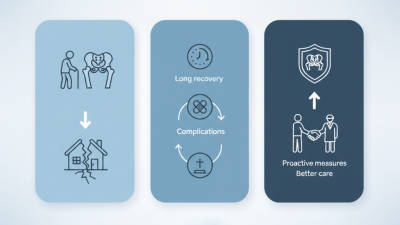
Orthopedic Implant Infection is a significant concern in modern medicine. Dr. Emily Sanders, a renowned orthopedic surgeon, emphasizes, “Preventing these infections is crucial to patient recovery.” The rise in orthopedic surgeries has led to an increase in implant usage, and with it, a heightened risk of infection. Patients often face complications that can lead to longer recovery times or additional surgeries.
Infection prevention requires meticulous attention to detail. Surgical teams must adhere to strict sterilization protocols. This includes thorough skin cleansing and the use of antibiotics. Yet, despite advancements, challenges remain. Not all procedures achieve the desired outcomes, and some infections still occur.
The journey to reducing Orthopedic Implant Infection is ongoing. Each case offers lessons, but healthcare professionals must remain vigilant. Continuous education and research are key to improving techniques and patient care. As we strive for progress, the complexity of these infections reminds us of the need for diligence in preventive measures.

Understanding Orthopedic Implant Infections: An Overview
Orthopedic implant infections can pose significant health challenges for patients. These infections often occur when bacteria enter the body during surgery or after implant placement. Common symptoms include pain, swelling, and redness at the surgical site. Recognizing these symptoms early is crucial to effective treatment.
Preventative measures are essential for minimizing the risk of infections. Maintaining sterile conditions in the operating room is a primary step. Surgeons must adhere to strict protocols. However, even with precautions, infections may still occur. Patients should follow post-operative care guidelines closely. This includes keeping the surgical area clean and monitoring for any signs of infection.
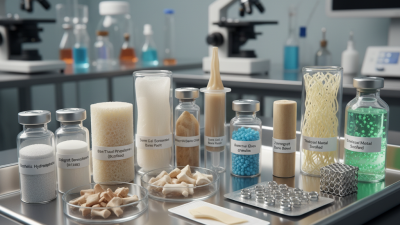
Despite advancements in surgical techniques and materials, orthopedic implants still carry inherent risks. Research continues to explore effective ways to combat these infections. Innovative methods, such as antibiotic coatings on implants, are being studied. As we understand more about bacterial behaviors, we can develop better strategies. Yet, there remains much to learn in this field, reminding us that vigilance is key.
Identifying Risk Factors for Orthopedic Implant Infections
Orthopedic implant infections are a significant concern in modern medicine. Identifying risk factors plays a crucial role in prevention. Studies show that about 2% to 5% of patients with orthopedic implants develop an infection. This risk varies based on several factors, including the type of surgery and the patient's health status. For instance, patients with diabetes face a higher risk of complications due to impaired wound healing.
Another critical factor is obesity. Research indicates that obese patients have a 30% increased chance of developing infections after surgery. Surgical techniques also impact infection rates. Using minimally invasive methods can reduce exposure and contamination during procedures. Additionally, the timing of antibiotic administration is essential. Administering antibiotics within an hour before surgery can lower infection risks by up to 50%.
Moreover, the implant material plays a role. Some materials are more prone to bacterial adhesion, increasing the likelihood of infection. Continuous education for healthcare professionals is vital. Recognizing and addressing these risks can lead to improved outcomes. Despite advances, healthcare providers must constantly evaluate practices. This reflection helps in refining strategies to combat orthopedic implant infections effectively.
2026 How to Prevent Orthopedic Implant Infection Effectively? - Identifying Risk Factors for Orthopedic Implant Infections
| Risk Factor |
Description |
Prevention Strategy |
Impact Level |
| Diabetes Mellitus |
Higher risk of infections due to impaired healing and blood flow. |
Tight glycemic control pre-and post-surgery. |
High |
| Obesity |
Excess body weight puts stress on implants and increases infection risk. |
Weight management and pre-operative counseling. |
Medium |
| Smoking |
Delays healing and increases risk of complications. |
Encourage smoking cessation before surgery. |
High |
| Contaminated Surgical Site |
Infections can arise from bacteria on the skin or in the environment. |
Use of antiseptic techniques and proper sterilization. |
Very High |
| Age |
Older patients often have comorbidities that increase infection risk. |
Thorough assessment of patient history and tailored care plans. |
Medium |
Best Practices for Preoperative Preparation to Minimize Infection Risk
Preventing orthopedic implant infections begins long before surgery. Preoperative preparation is crucial in minimizing the risk. Research shows that proper skin antisepsis can reduce infection rates by over 50%. Effective cleansing methods, such as chlorhexidine gluconate, are recommended for surgical sites. This preparation affects not just the surface skin but also the microbiome present during surgery.
Antibiotic prophylaxis is another vital component. Studies indicate that administering antibiotics within one hour before incision can lower infection rates by 30%. The choice of antibiotic should be based on the procedure and the patient's medical history. For instance, patients with a history of infections may require specific regimens. Engaging in a thorough preoperative assessment helps identify and address risk factors like diabetes or obesity, which can complicate recovery and increase the likelihood of infection.
Effective communication among the surgical team is essential. All members must understand the protocols for infection control. Even minor lapses in procedure adherence can lead to significant consequences. It is vital to regularly review and reflect on the team's adherence to best practices, as this continuous evaluation can lead to improved outcomes. Ensuring that all staff is trained and aware of infection prevention guidelines is key to success in minimizing orthopedic implant infections.
Intraoperative Techniques to Prevent Implant-Related Infections
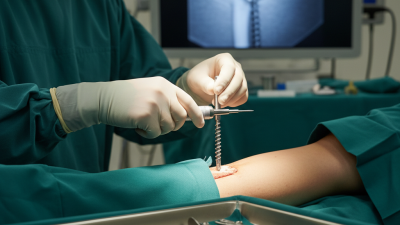
Intraoperative techniques play a vital role in preventing implant-related infections. The surgical environment must be meticulously controlled. Surgeons should prioritize using sterile instruments and gloves. Maintaining a clean workspace minimizes contaminant exposure. Additionally, proper hand hygiene is essential. This simple step can significantly lower infection rates.
Another effective strategy involves the use of antimicrobial solutions. These can be applied to the surgical site before incision. They reduce microbial load on the skin. Surgeons should also consider using laminar airflow systems. These systems help to disperse airborne contaminants. However, relying solely on technology is not enough. Staff training and compliance with protocols are equally crucial. Regular audits can identify lapses in practice.
Effective communication among the surgical team is paramount. Surgeons must clearly outline the infection prevention measures before surgery. Any concerns should be addressed openly. This collaborative approach fosters accountability. Each team member plays a role in preventing infections. Reflection on past cases can help identify areas needing improvement. Despite best efforts, infections may still occur. Continuous learning and adaptation are key to refining these techniques.
Postoperative Care and Management Strategies for Infection Prevention
Postoperative care is crucial for preventing orthopedic implant infections. A study shows that roughly 1-3% of patients may develop an infection after surgery. Effective management strategies can significantly reduce this risk.
Wound care is essential in the first few days post-surgery. Regular inspection of the incision site helps detect any early signs of infection. Patients should be educated on how to keep their wounds clean and dry. In a report by the Centers for Disease Control and Prevention (CDC), proper wound management can lower infection rates by up to 50%.
Antibiotic prophylaxis is another critical strategy. Administering antibiotics within an hour before surgery can prevent infections in high-risk patients. Despite its effectiveness, not all orthopedic surgeries follow this protocol. A review indicated that only 70% of surgeries adhered to recommended guidelines for antibiotic use. Monitoring compliance helps drive improvements in care. Keeping infection rates low demands ongoing diligence and teamwork among healthcare providers.