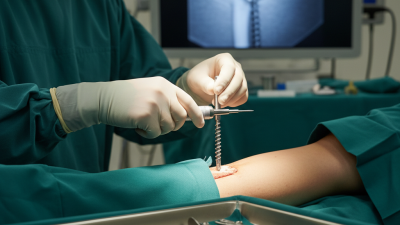
What is Tibial Intramedullary Nail and How Does It Work?
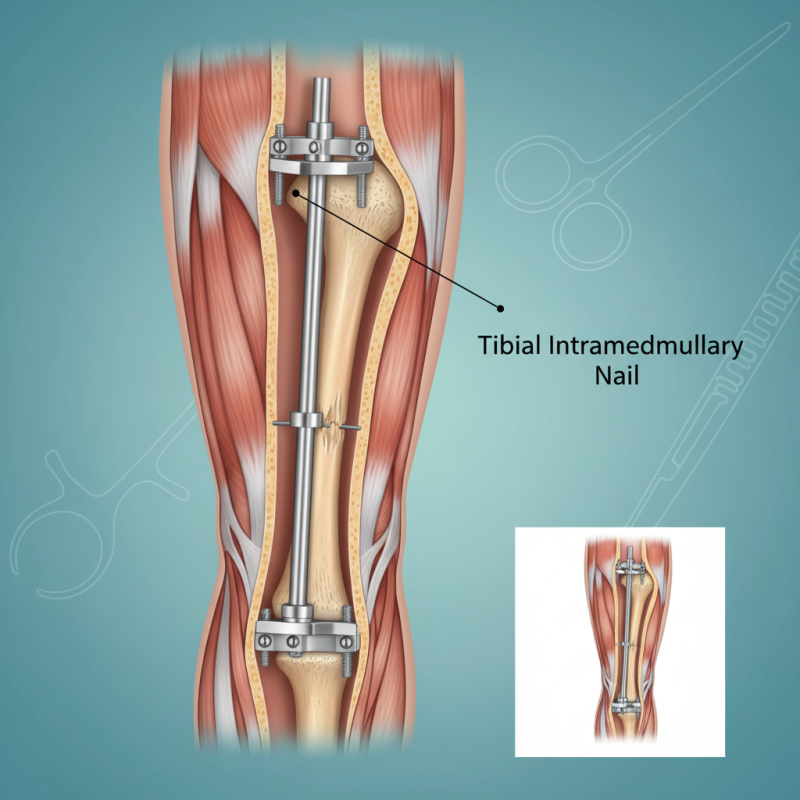
The Tibial Intramedullary Nail is a critical tool in orthopedic surgery. It is designed to stabilize fractures in the tibia, the larger bone in the lower leg. This device helps facilitate proper healing by allowing the bone to bear weight earlier than traditional casting methods.
In surgery, the Tibial Intramedullary Nail is inserted into the medullary canal of the tibia. This allows for aligned support along the bone's length. Surgeons can see improved outcomes and quicker recovery times for patients. Nonetheless, the procedure requires skill and precision.
Despite its advantages, there are challenges. Not all patients may be ideal candidates for this method. Complications can arise if not performed correctly. Moreover, understanding the risks is essential for informed consent. The Tibial Intramedullary Nail represents a blend of innovative design and practical application. It continues to evolve with advancements in medical technology.
Overview of Tibial Intramedullary Nails
Tibial intramedullary nails are specialized medical devices used to treat fractures in the tibia, the long bone in the lower leg. These nails are inserted into the marrow canal of the bone, providing stability and support during the healing process. The advantage of this method is that it minimizes damage to surrounding tissues. Surgeons prefer this approach due to its effectiveness and low complication rate.
When using a tibial intramedullary nail, appropriate pre-operative planning is essential. Surgeons must consider factors like the type of fracture and the patient's overall health. Accurate measurements are vital for proper nail length and diameter selection. Using imaging technology aids in achieving precise insertion and alignment.
Tips for recovery after surgery include focusing on nutrition and gradual weight-bearing as prescribed. Healing takes time. Allow your body to recuperate fully. Engage in physical therapy as instructed. It can help restore your range of motion and strength. Pay attention to any unusual symptoms, such as increased pain or swelling, and consult a healthcare professional if they arise.
Indications for Using Tibial Intramedullary Nails
Tibial intramedullary nails are often used in cases of tibial fractures. These nails are inserted into the middle of the tibia, stabilizing the bone. They are effective for specific types of fractures, especially those that are stable or aligned.
Indications for using tibial intramedullary nails include diaphyseal fractures, particularly in adults. They are ideal when the fracture is located in the middle section of the bone. The devices help to facilitate healing with minimal displacement of the fracture ends. This procedure is less invasive compared to other surgical methods.
Tips: Always consult with a qualified orthopedic surgeon to determine the best treatment for your fracture. Depending on the complexity of your injury, this method may not be suitable. Regular follow-up is crucial to monitor the healing process. Be mindful of signs of complications, like excessive swelling or pain. Such responses should prompt immediate medical evaluation.
What is Tibial Intramedullary Nail and How Does It Work? - Indications for Using Tibial Intramedullary Nails
| Indication |
Description |
Typical Patient Profile |
Benefits |
| Closed Fractures |
Fractures without skin or soft tissue damage. |
Patients of all ages with stable conditions. |
Less invasive, quicker recovery. |
| Open Fractures |
Fractures with associated skin lacerations. |
Young adults and active individuals. |
Promotes better alignment and stabilization. |
| Congenital Deformities |
Deformities resulting from birth defects. |
Children and adolescents. |
Allows for gradual correction over time. |
| Pathologic Fractures |
Fractures due to underlying medical conditions. |
Individuals with bone diseases or cancer. |
Stabilizes weakened bones, aiding recovery. |
Technical Procedure for Inserting Tibial Intramedullary Nails
Tibial intramedullary nailing is a common surgical procedure. It is used to treat fractures in the tibia, the larger bone in the lower leg. The technique involves inserting a metal rod into the marrow cavity of the tibia. This rod helps stabilize the fracture, promoting healing and restoring function.
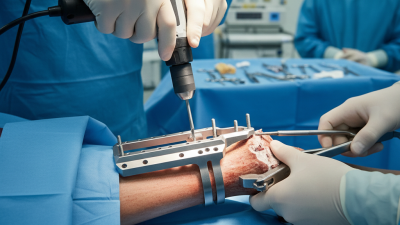
The insertion process begins with the patient being placed under anesthesia. The surgeon then makes a small incision near the knee. Using specialized instruments, a guide wire is inserted into the tibia. This wire serves as a pathway for the nail. Once the guide wire is in place, the intramedullary nail is carefully inserted. It is important to ensure proper alignment to avoid complications later. Fluoroscopy, a real-time imaging technique, often assists in this step.
Post-surgery, careful monitoring is crucial. The recovery period can be challenging. Patients may experience pain and swelling. Rehabilitation is a vital part of recovery. Physical therapy promotes movement and strength. Each patient’s journey is unique, and not every outcome is perfect. Regular follow-ups allow doctors to address any issues early. Overall, this procedure plays a significant role in orthopedic care.
Tibial Intramedullary Nail Insertion Procedure Data
Benefits and Risks of Tibial Intramedullary Nails
Tibial intramedullary nails are surgical implants used to stabilize fractures in the tibia. While they are effective, this method comes with potential benefits and risks. According to the Journal of Orthopaedic Trauma, intramedullary nailing can lead to strong bone union rates, around 90% in many cases. This technique provides alignment and stability, promoting healing after fractures.
However, there are risks involved. Complications such as infection and non-union can occur, affecting up to 5% of patients. Some individuals may experience pain or discomfort around the nail. Additionally, improper insertion may lead to malalignment. These factors are critical to consider when deciding on the surgical approach.
**Tip:** Always consult with an orthopedic specialist to assess individual risks and benefits before surgery. Taking part in discussions about your treatment options can lead to better outcomes. Being informed can alleviate anxiety and provide clarity on post-surgical recovery.
Recovery and Rehabilitation After Tibial Intramedullary Nail Surgery
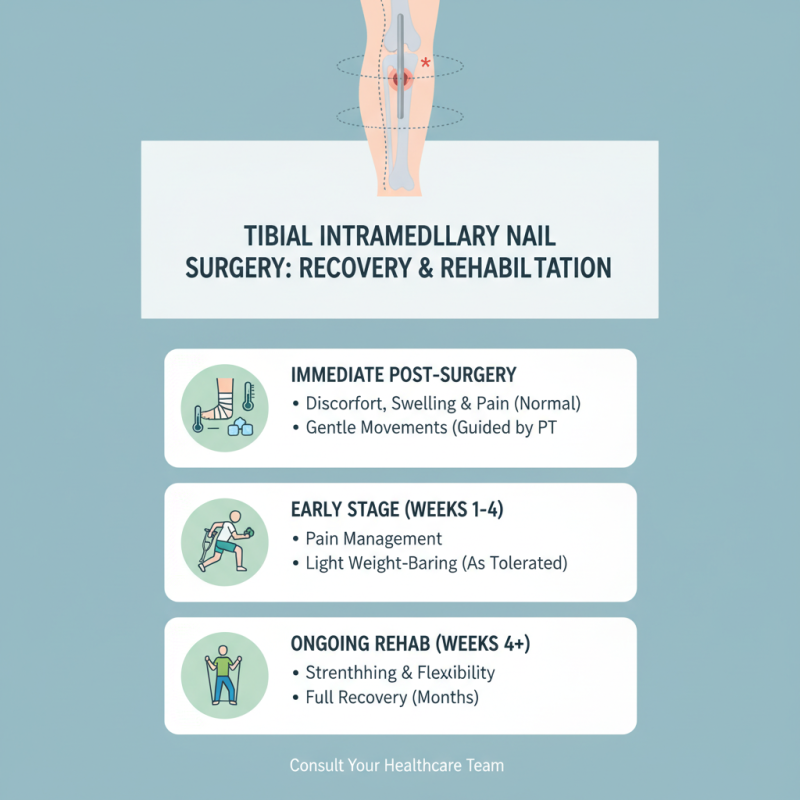
Recovery after tibial intramedullary nail surgery is vital for a successful outcome. The initial days post-surgery are often filled with discomfort. Patients may experience swelling and pain around the surgical site. This is normal but can be challenging. Engaging in gentle movements as advised by your healthcare team is crucial at this stage.
Physical therapy typically begins a few days after surgery. A trained professional guides exercises. These help improve mobility and strengthen the leg. Gradually, weight-bearing activities can be introduced. Many patients start with partial weight bearing using crutches. Progress can vary, and each person's journey may feel unique.
Adhering to follow-up appointments is essential. Regular check-ups allow doctors to monitor healing. If something feels off, such as increased pain or unusual swelling, it's important to speak up. Recovery can sometimes be slow, leading to frustration. Patience and commitment to rehabilitation make the process smoother, fostering a sense of accomplishment and improved function.