Why You Should Understand Intertrochanteric Femoral Fracture Risks?
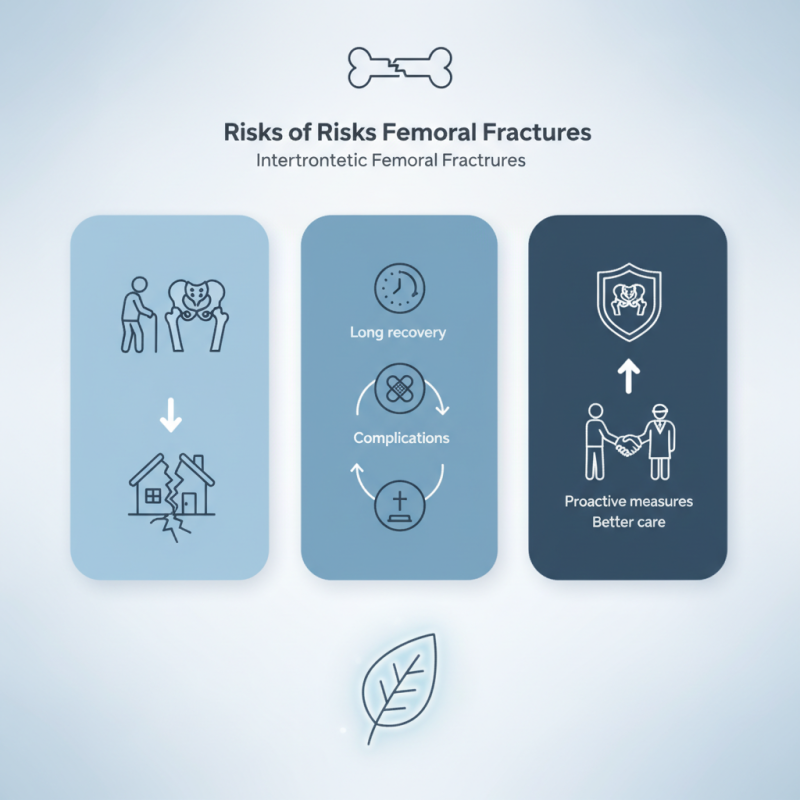
Understanding the risks associated with Intertrochanteric Femoral Fractures is crucial for both patients and healthcare providers. These fractures typically occur in the elderly, especially those with osteoporosis. Injury from falls can lead to severe consequences, including long recovery times, complications, and even mortality.
Awareness of these risks can empower patients. By understanding the factors involved, they can take proactive measures. Simple lifestyle changes, like improving home safety, can make a difference. Knowledge also assists doctors in providing better care. They can tailor prevention strategies based on a patient’s unique situation.
In a world where accidents happen, reflecting on these risks is imperative. Many underestimate the fragility of bones as they age. The reality is that an Intertrochanteric Femoral Fracture can change lives. Recognizing this can lead to better strategies for prevention and treatment. By fostering a culture of safety and awareness, we can reduce the impact of these fractures on individuals and communities.
Understanding the Anatomy of the Femur and its Intertrochanteric Region
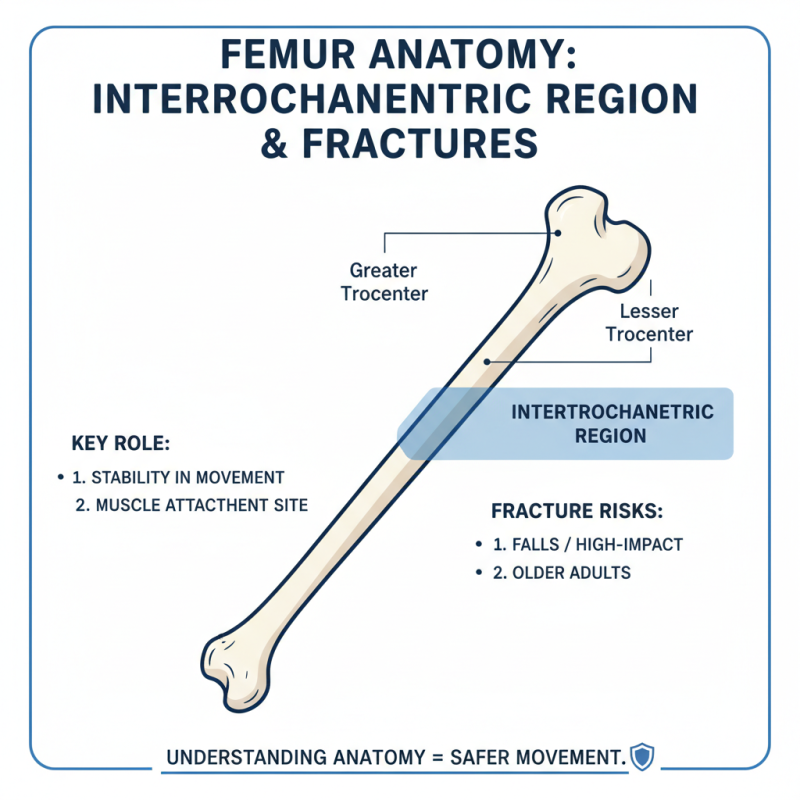
The intertrochanteric region of the femur plays a critical role in maintaining stability during movement. This area is located between the greater and lesser trochanters, serving as an important site for muscle attachment. Understanding the anatomy of the femur is essential for recognizing the risks associated with intertrochanteric femoral fractures. These fractures typically occur due to falls or high-impact activities, especially in older adults.
Tips for prevention include maintaining bone health through proper nutrition and weight-bearing exercises. Staying active can help strengthen surrounding muscles. Additionally, ensuring a safe environment at home reduces fall risk. These fractures can lead to significant complications, making awareness crucial.
Recognizing the signs of a potential fracture early can make a difference. Symptoms often include severe pain and inability to move the hip or leg. Analyzing personal risk factors, such as age and activity level, can guide preventive measures. Consult a medical professional to better understand individual risks. Awareness and education empower individuals to take proactive steps for their bone health.
Common Causes of Intertrochanteric Femoral Fractures
Intertrochanteric femoral fractures are significant injuries, especially in older adults. Understanding their common causes is crucial for prevention and treatment. Falls are the leading cause of these fractures. Aging often results in weakened bones and decreased balance. Even a minor slip can lead to serious injuries.
Certain conditions increase the risk of fractures. Osteoporosis is a major factor, as it weakens bones. Additionally, individuals with neurological disorders may struggle with coordination. Various medications can also affect balance, leading to an increased risk of falls. Furthermore, improper footwear can contribute to instability.
Heavy physical activity can exacerbate the risk. Athletes or those who engage in strenuous workouts may overlook their body's signals. Ignoring pain or discomfort can result in injuries. It’s essential to address and reflect on these warning signs. Assessing your environment is equally important. Ensuring safe walking spaces can help prevent falls. Ultimately, awareness of these factors can aid in reducing the risk of intertrochanteric femoral fractures.
Risk Factors Associated with Intertrochanteric Femoral Fractures
Intertrochanteric femoral fractures often occur in older adults. Understanding the risk factors can help prevent these injuries. Aging is a significant factor. As we age, our bones lose density. This makes fractures more likely. Seniors should pay close attention to their bone health.
Another risk involves falls. Many intertrochanteric fractures happen due to falls at home. Poor lighting and slippery floors can increase this risk. Simple changes like installing handrails and using non-slip mats can make a substantial difference. Regular exercise to boost strength and coordination is also beneficial.
Medical history plays a role too. Certain medications can weaken bones. Those with osteoporosis should be especially cautious. Regular check-ups can help identify risks early. Discussing concerns with healthcare professionals is crucial. Sharing experiences with caregivers and family can also ensure a safer environment.
Impact of Intertrochanteric Fractures on Mobility and Quality of Life
Intertrochanteric femoral fractures can profoundly impact mobility. These injuries often occur in older adults due to falls. A broken femur leads to pain and immobility. Patients frequently struggle to walk or perform daily tasks. This loss of mobility can create a significant burden on both individuals and their families.
Recovery from such fractures can be slow and challenging. Many patients require assistance during rehabilitation. Physical therapy is often necessary to regain strength and balance. However, not all patients fully recover their prior mobility levels. This can lead to frustration and decreased quality of life.
The emotional toll of intertrochanteric fractures is also noteworthy. Fear of falling again may cause individuals to isolate themselves. Social activities may diminish, leading to feelings of loneliness. Building awareness about these fractures is essential for better support. Understanding the risks can empower individuals to take preventive measures.
Preventive Measures and Treatment Options for Intertrochanteric Fractures
Intertrochanteric femoral fractures are increasingly common, particularly among older adults. According to the American Academy of Orthopaedic Surgeons, these fractures account for nearly 48% of hip fractures each year. Understanding the risks associated with these injuries is essential for effective prevention and management.
Preventive measures are vital. Regular weight-bearing exercises can strengthen bones. A balanced diet rich in calcium and vitamin D also supports bone health. However, many people overlook these aspects. Despite knowing their importance, only 30% of older adults engage in recommended physical activities regularly. Awareness campaigns can help change this trend and improve overall health outcomes.
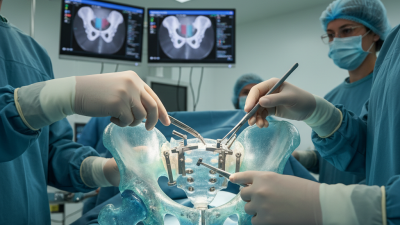
In terms of treatment options, surgery is often required to stabilize the fracture. A recent study suggested that surgical intervention reduces the risk of long-term disability by up to 30%. Nevertheless, some patients hesitate to undergo surgery due to recovery concerns. Engaging with healthcare providers about rehabilitation can alleviate fears.
Intertrochanteric fractures, while serious, can be managed effectively. By focusing on prevention and understanding treatment options, individuals can significantly reduce risks and improve their quality of life.