What is Cervical Disc Replacement and How Does it Work?
Cervical Disc Replacement is gaining attention as a viable solution for neck pain and other related issues. This procedure involves removing a damaged disc in the cervical spine and replacing it with an artificial one. Patients often seek this option when traditional treatments fail to provide relief.
The effectiveness of Cervical Disc Replacement can vary among individuals. Some report significant improvements in pain and mobility. Others may experience complications or limited success. It’s essential for patients to have realistic expectations. Understanding the procedure’s potential benefits and risks can aid in making informed choices.
Healthcare professionals play a crucial role in guiding patients. Their expertise helps in assessing candidacy for the procedure. Discussing patient history and symptoms fosters a tailored care approach. Ultimately, informed decisions can lead to better outcomes and enhanced quality of life for those suffering from cervical spine issues.
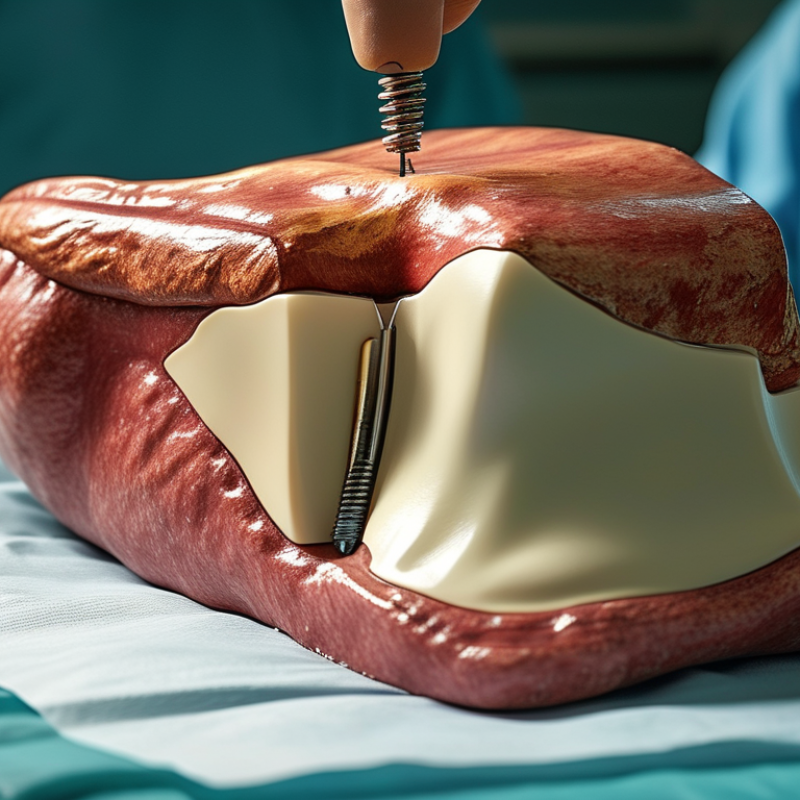
What is Cervical Disc Replacement?
Cervical disc replacement is a surgical procedure designed to treat disc degeneration in the cervical spine. In this surgery, the damaged disc is removed and replaced with an artificial one. The goal is to relieve pressure on the spinal cord and nerves, thereby alleviating pain.
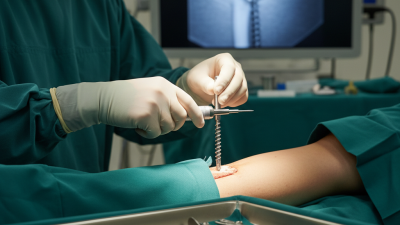
During the procedure, a surgeon makes a small incision in the front of the neck. They then carefully access the cervical spine, remove the affected disc, and insert the new disc. This disc mimics the natural movement of a healthy disc, allowing for better mobility after the surgery. Patients often report significant improvements in pain levels and function, though recovery times can vary widely.
However, there are risks associated with this surgery. Complications may arise, including infection or issues related to the artificial disc. Some patients experience persistent pain even after surgery. It’s essential for individuals considering this option to consult with a qualified spine specialist. They can provide a thorough evaluation and discuss whether cervical disc replacement is appropriate for their condition. Understanding the complexities of this procedure is vital for informed decision-making.
What is Cervical Disc Replacement and How Does it Work?
| Aspect |
Details |
| Definition |
Cervical disc replacement is a surgical procedure that involves removing a damaged cervical disc and replacing it with an artificial implant. |
| Indications |
Typically indicated for patients with degenerative disc disease, herniated discs, or persistent neck pain and neurological symptoms. |
| Procedure |
Performed under general anesthesia, the procedure generally takes about 1-2 hours and involves an anterior approach to the cervical spine. |
| Recovery Time |
Initial recovery typically takes 4-6 weeks, after which patients can gradually return to normal activities and physical therapy. |
| Benefits |
Preserves motion in the cervical spine and may reduce the risk of adjacent segment degeneration compared to traditional fusion surgery. |
| Risks |
Possible risks include infection, implant failure, nerve injury, and persistent pain. |
| Success Rate |
Studies indicate a success rate of 80-90% for significant pain relief and improved function. |
Indications for Cervical Disc Replacement Surgery
Cervical disc replacement surgery is often recommended for patients with severe neck pain or discomfort. This procedure is indicated for individuals suffering from degenerative disc disease, herniated discs, or spinal stenosis. These conditions can lead to significant pain and restrict mobility. In many cases, conservative treatments like physical therapy or medications may fail to provide relief, making surgery a viable option.
Candidates for this surgery usually demonstrate persistent symptoms that impact daily life. A thorough assessment including imaging studies helps in determining the severity of the issue. Not everyone is a suitable candidate; certain complications, like existing infections or unstable cervical spine conditions, could preclude the surgery. Patients are encouraged to discuss their specific conditions and potential outcomes with a qualified spine specialist. Understanding the nuances of each case is essential, as individual factors can greatly influence the surgical results.
Cervical disc replacement offers the potential for improved mobility and reduced pain. However, the decision to undergo this surgery comes with risks and benefits that need careful consideration. Some patients may experience complications, such as implant failure or nerve damage. It’s vital to weigh these risks against the potential for a better quality of life, making informed decisions essential. Engaging in open discussions with healthcare providers can provide clarity during this process.
The Procedure: Steps Involved in Cervical Disc Replacement
Cervical disc replacement is a surgical procedure designed to alleviate pain caused by damaged discs in the neck. This process involves several crucial steps, beginning with a thorough evaluation by your healthcare provider. Diagnostic imaging, like MRI or CT scans, helps to assess the extent of the damage.
The procedure typically occurs under general anesthesia. The surgeon makes an incision in the front of the neck, carefully moving aside muscles and tissues to reach the affected disc. Once accessed, the damaged disc is removed. A prosthetic disc is then implanted in its place, allowing for natural movement and support.
After surgery, recovery is paramount. Engage in physical therapy as recommended. This helps strengthen the neck muscles and improve flexibility. Monitor for any signs of infection, such as fever or increased pain. It's essential to follow all post-operative instructions closely.
Consider using a neck brace if advised. This can provide support during recovery. Staying hydrated and eating a balanced diet can also promote healing. Avoid high-impact activities until cleared by your doctor to ensure a smoother recovery experience. Reflect on any progress made, even small improvements count.
Cervical Disc Replacement: Procedure Overview
This chart illustrates the improvement in patient satisfaction over time following a cervical disc replacement procedure. Satisfaction starts at 60% pre-procedure and increases to 95% after one year, showing the procedure's effectiveness.
Benefits and Risks of Cervical Disc Replacement
Cervical disc replacement is a surgical procedure that aims to alleviate neck pain and restore mobility. It involves replacing a damaged cervical disc with an artificial one. This procedure has gained attention for its potential benefits, particularly for individuals suffering from degenerative disc disease. However, it’s essential to weigh these benefits against the risks involved.
One significant benefit of cervical disc replacement is improved range of motion. Unlike fusion surgery, this method allows for greater flexibility in the neck. Patients often report a reduction in pain and an improved quality of life. However, the risks should not be overlooked. Complications can include infection, nerve damage, or the artificial disc becoming misaligned. Recovery can also be challenging, and some may require additional treatments.
In considering cervical disc replacement, understanding both sides is crucial. While many experience success, not everyone achieves the same results. It's important to have realistic expectations and communicate clearly with healthcare providers. The decision should be based on a thorough evaluation of individual circumstances and potential outcomes. A thoughtful approach ensures the best possible care.
Recovery and Rehabilitation After Cervical Disc Replacement Surgery
Recovery after cervical disc replacement surgery is a critical process that significantly influences long-term outcomes. Studies indicate that approximately 80% of patients report substantial pain relief in the first six months post-surgery. However, recovery can vary widely among individuals, with some experiencing unexpected difficulties.
Rehabilitation often begins immediately after surgery. Patients may undergo physical therapy to enhance mobility and strengthen neck muscles. According to recent data, about 40% of patients find that adherence to a prescribed rehabilitation protocol speeds their recovery. Yet, not everyone follows through. Some report fatigue or discomfort, leading to inconsistent participation in therapy.
The initial weeks post-surgery are crucial. Patients are encouraged to avoid strenuous activities and heavy lifting. This period allows healing and reduces the risk of complications. A study from a reputable medical journal highlighted that those who do not limit their activities tend to experience setbacks. The goal in this phase is to balance rest with gradual movement to regain normal function. Individual experiences can teach valuable lessons about the importance of patience and compliance during recovery.