Top 10 Tips for Successful Ankle Fracture Surgery Recovery
Ankle Fracture Surgery is a significant procedure that impacts patients' lives. Dr. John Smith, a leading orthopedic surgeon, emphasizes, “Proper recovery is essential for regaining mobility.” The road to recovery can be challenging, filled with uncertainty and discomfort. Understanding how to navigate this journey is crucial for success.
Patients often face challenges such as swelling, pain management, and mobility limitations. It's common to feel discouraged at times. However, embracing a well-structured recovery plan can make a substantial difference. Seeking guidance from healthcare professionals and following their advice is vital for optimal healing.
As you embark on this recovery journey, it's important to remain patient and positive. Each small step counts, and progress may be slow. Implementing practical tips can enhance your recovery experience. Taking control of your healing can make you feel empowered and motivated. Insightful strategies—like maintaining physical therapy and managing pain—are essential for achieving your recovery goals.

Understanding Ankle Fractures and Surgical Interventions
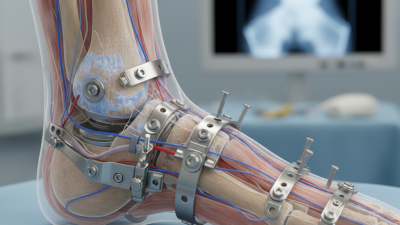
Ankle fractures can significantly impact mobility and quality of life. Statistics indicate that nearly 1 out of 1,000 individuals suffer from an ankle fracture each year. This injury frequently results from falls, sports accidents, or motor vehicle collisions. Understanding the surgical interventions involved is crucial for effective recovery. Surgical options may include internal fixation or ankle replacement, depending on the fracture type and severity.
After surgery, rehabilitation is vital. Studies suggest that early weight-bearing can be beneficial, with recovery times varying widely. Some patients walk unassisted within six to eight weeks, while others may face prolonged immobilization. Pain management is another concern. Inadequate pain control can lead to decreased engagement in physical therapy. Proper pain management protocols can aid in better recovery outcomes.
Reflecting on the recovery process reveals valuable lessons. Many patients underestimate the impact of mental health. Emotional support and realistic expectations play crucial roles. Although complications are rare, they can occur. Infections or hardware failure are possibilities that should not be overlooked. Engaging with healthcare professionals can help address any concerns during recovery, ensuring a smoother healing journey.
Preparing for Ankle Fracture Surgery: Key Considerations
Preparing for ankle fracture surgery requires careful consideration to ensure a smooth recovery. Start by consulting your orthopedic surgeon. Discuss your specific needs and concerns. Ask about the type of anesthesia you will receive. Knowing what to expect can ease anxiety. Arrange for a trusted friend or family member to accompany you on the day of surgery. Their support can be invaluable.
Consider the logistics of your recovery space. Clear pathways at home to prevent trips or falls. Stock up on essentials like ice packs, over-the-counter pain medications, and comfortable clothing. Focus on nutritious foods to aid healing. Protein-rich diets can promote tissue repair. Designate a comfortable resting area where you can elevate your leg. This simple action reduces swelling and helps circulation.
Be prepared for the reality of recovery. Pain and discomfort may vary. It's essential to be patient and allow your body to heal. Follow post-operative care instructions closely. Regular check-ups with your doctor are crucial for monitoring progress. Reflect on your recovery journey; keeping a journal can help you track improvements and challenges. Acknowledging setbacks is part of the healing process.
Top 10 Tips for Successful Ankle Fracture Surgery Recovery
| Tip Number |
Tip |
Description |
Importance |
| 1 |
Follow Pre-Surgery Instructions |
Adhere to dietary and medication guidelines to optimize your health before surgery. |
High |
| 2 |
Arrange for Help |
Ensure someone can assist you with daily tasks during recovery. |
High |
| 3 |
Prepare Your Home |
Set up a comfortable recovery area with easy access to essentials. |
Medium |
| 4 |
Follow Post-Operative Instructions |
Adhere to guidance on medications, wound care, and activity restrictions. |
High |
| 5 |
Stay Hydrated |
Drink plenty of water to aid healing and recovery. |
Medium |
| 6 |
Monitor for Complications |
Watch for signs of infection or complications and contact your doctor if needed. |
High |
| 7 |
Physical Therapy |
Engage in prescribed physical therapy to regain strength and mobility. |
High |
| 8 |
Manage Pain Effectively |
Use prescribed pain medications responsibly to enhance comfort. |
Medium |
| 9 |
Rest and Sleep |
Ensure adequate rest and sleep to promote the healing process. |
High |
| 10 |
Stay Positive |
Maintain a positive outlook to support mental health during recovery. |
Medium |
Post-Surgery Care: Managing Pain and Preventing Complications
After ankle fracture surgery, managing pain effectively is crucial. Pain can vary significantly from patient to patient. It often peaks in the first few days post-surgery. Doctors may prescribe medications to help, but patients should also consider non-drug approaches. Ice packs can reduce swelling and numb discomfort. Elevation of the ankle helps limit pain and aids healing.
Preventing complications is equally important during recovery. Infections can arise from surgical wounds, so keeping the area clean is essential. Regularly check for any unusual discharge or increased redness. Patients should also watch for signs of deep vein thrombosis. Swelling in the calf or sudden pain can indicate a serious condition. Movement within limits is key. Gentle exercises, as recommended by a healthcare provider, can keep the blood flowing and promote healing. It's not just about following instructions but also reflecting on what works best for your recovery. Each person's journey is unique, and patience is vital during this healing process.
Post-Surgery Care: Managing Pain and Preventing Complications
Rehabilitation Strategies: Restoring Mobility and Strength
Rehabilitation after an ankle fracture surgery is crucial for regaining mobility and strength. Start with gentle range-of-motion exercises. Simple movements can help prevent stiffness. Gradually increase intensity as healing progresses. Listening to your body is vital. Pain can be a sign to ease up.
Incorporate strength-building activities into your routine. Resistance bands can provide excellent support while enhancing muscle strength. Focus on low-impact activities like swimming or cycling when you feel ready. These options reduce stress on your ankle while promoting circulation. Regularly consult with a rehabilitation specialist to ensure proper technique and recovery.
Patience is key during recovery. Each person's healing process is unique and can vary widely. Take time to reflect on your progress. Celebrate small victories, but also acknowledge struggles. Not every day will feel like improvement, and that's okay. Balance between pushing your limits and allowing rest is essential for successful rehabilitation.
Monitoring Recovery: Signs of Progress and When to Seek Help
Ankle fracture recovery requires close attention to your body’s signals. As you heal, monitoring your progress is crucial. Look for signs like decreased swelling. You should also notice improved mobility over time. If you struggle to regain movement, it’s essential to evaluate your recovery strategy. Physiotherapy plays a significant role in this phase.
Watch out for persistent pain that doesn’t diminish. This could signal complications. Swelling that worsens should raise concerns as well. It's normal to have bad days, but significant setbacks need scrutiny. If your ankle feels unusually hot or develops a rash, consult a healthcare professional.
Reach out for help when you’re unsure. Recovery isn’t just about physical changes; mental challenges arise too. Feelings of frustration are common. Remember, recovery takes time and patience. Acknowledging your emotions during this process is key. Engaging with your support system can make a difference.