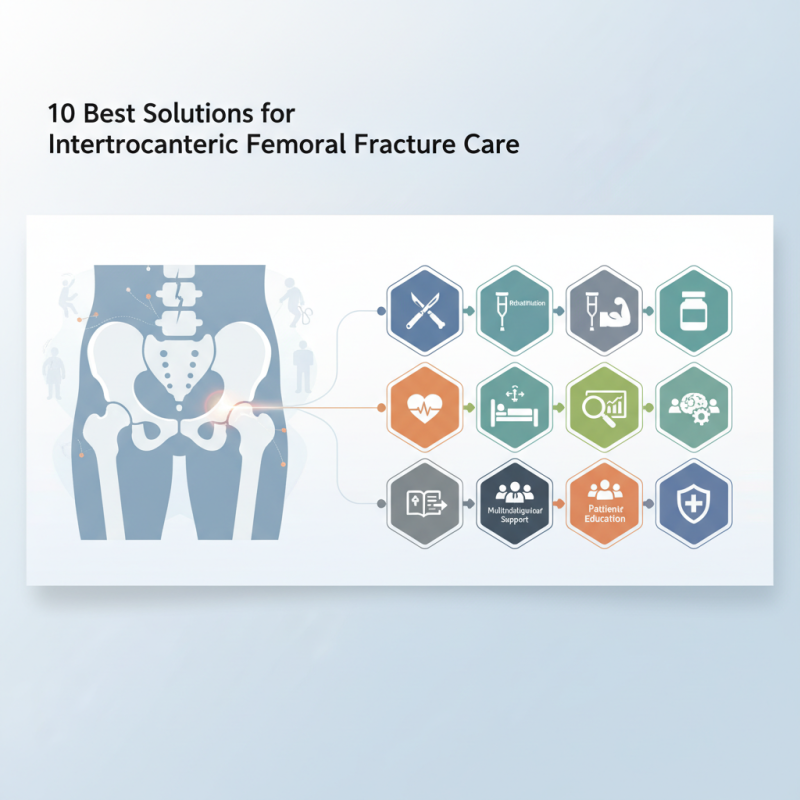
10 Best Solutions for Intertrochanteric Femoral Fracture Care?
Intertrochanteric Femoral Fracture is a common orthopedic injury. It often occurs in older adults due to falls. This type of fracture affects the area between the femoral head and the shaft. Effective care is crucial for recovery.
There are various solutions for managing this complex injury. Some methods include surgical interventions, while others focus on rehabilitation strategies. Choosing the right treatment requires expertise and careful evaluation. Each patient's needs must be considered.
Healthcare professionals must stay updated on best practices. With evolving research, new methods continually emerge. Understanding these solutions ensures optimal outcomes. Intertrochanteric Femoral Fracture care remains a challenging area that requires ongoing reflection and improvement.
Understanding Intertrochanteric Femoral Fractures: A Comprehensive Overview
Intertrochanteric femoral fractures are complex injuries. They typically occur in the elderly due to falls or trauma.
This type of fracture involves the region between the greater and lesser trochanters of the femur. Understanding the anatomy is crucial for effective treatment.
Injuries here can lead to significant mobility loss and complications if not managed properly.
Initial assessment by a healthcare professional is vital. Accurate imaging helps determine the fracture type.
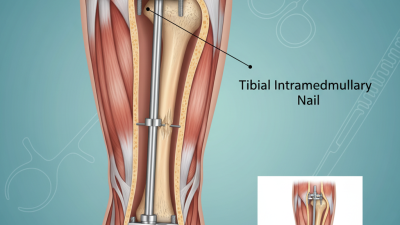
Treatment usually involves surgical intervention to stabilize the bone. Options include intramedullary nails and plates.
Recovery varies based on age and overall health. Rehabilitation plays a key role in regaining strength.
Physical therapy may feel slow and frustrating at times, but patience is essential.
Patients must be aware of potential complications like nonunion or infection. Regular follow-ups with medical professionals are necessary.
A comprehensive rehabilitation plan can help, but it requires commitment. Understanding the nature of the injury aids in the recovery process.
Striving for improvement is part of healing, and setbacks may occur. Reflecting on progress helps maintain motivation.
Importance of Timely Diagnosis in Intertrochanteric Femoral Fractures
Intertrochanteric femoral fractures are serious injuries, often affecting older adults. Timely diagnosis is crucial. Delaying treatment can lead to complications like non-union or malunion. Medical professionals need to quickly recognize symptoms. Common indicators include severe pain and inability to bear weight. An X-ray is often the first step in diagnosis. Observations should be thorough and swift.
Misdiagnosis can occur due to overlapping symptoms with other conditions. Careful examination is essential to avoid these pitfalls. Patients with a history of falls or osteoporosis require particular attention. Awareness of risk factors can enhance early detection. This allows for better treatment outcomes.
An interdisciplinary approach to diagnosis is beneficial. Orthopedic surgeons, radiologists, and primary care providers should collaborate. Such teamwork enhances patient safety and treatment efficacy. Educating patients about their symptoms empowers them to seek help sooner. Prompt action can make a significant difference in recovery time. Whether through surgical or non-surgical methods, timely intervention is vital for optimal healing.
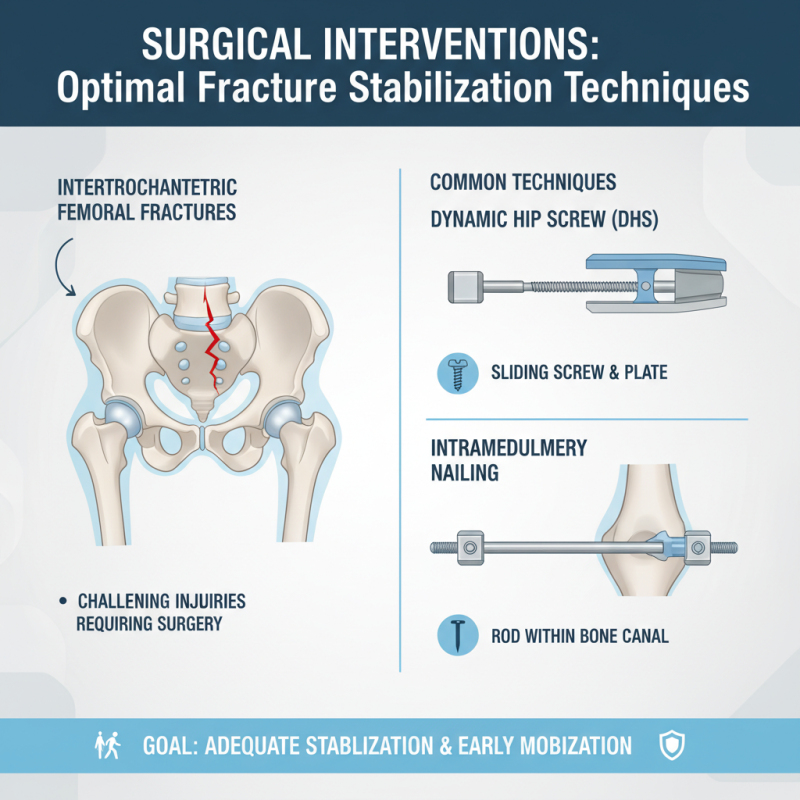
Surgical Interventions: Techniques for Optimal Fracture Stabilization
Intertrochanteric femoral fractures are challenging injuries that often require surgical intervention for proper stabilization. Surgeons utilize various techniques to ensure optimal outcomes. The most common approaches include dynamic hip screw (DHS) fixation and intramedullary nailing. These methods seek to provide adequate stabilization while allowing for early mobilization.
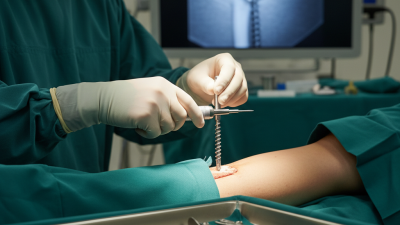
In a DHS procedure, a large screw is placed through the proximal femur, providing a secure hold. This method, however, can have complications like screw cut-out or non-union. Intramedullary nailing involves inserting a long rod within the femur. While this technique minimizes soft tissue disruption, it carries risks such as infection or improper placement leading to malalignment.
Both techniques require careful consideration of each patient’s unique anatomy and fracture characteristics. Surgeons must weigh the benefits and potential drawbacks. Patient education and involvement in the decision-making process are key. Understanding the risks and expected recovery can help in managing patient expectations. Each surgical option has its strengths and weaknesses, requiring continual reflection and refinement of techniques.
Non-Surgical Management: When to Consider Conservative Treatments
Non-surgical management of intertrochanteric femoral fractures is crucial in certain cases. Patients may be incompatible with surgery due to age or underlying health issues. Conservative treatment options include careful monitoring and physical therapy. These methods aim to promote healing while minimizing further injury risks.
In some cases, patients may experience prolonged pain or limited mobility. This requires a tailored approach. Gentle exercises can enhance strength and flexibility. Using assistive devices may help maintain independence. Regular follow-ups with a healthcare provider ensure appropriate adjustments to the treatment plan. Patience becomes vital in the healing process.
Some patients may find it challenging to accept a non-surgical approach. Fear of complications can arise. The decision should prioritize the patient's overall well-being. Open communication with healthcare professionals aids in understanding treatment options. In certain situations, a holistic approach proves beneficial, combining both physical and emotional support.
Intertrochanteric Femoral Fracture Care: Non-Surgical Management Options
Rehabilitation and Recovery Strategies Post-Fracture Treatment
After an intertrochanteric femoral fracture, rehabilitation is crucial for recovery. Physical therapy can help regain strength and mobility. Early exercises focus on gentle range of motion to prevent stiffness. Patients may start with isometric exercises to strengthen muscles without putting stress on the healing bone. Gradually, these exercises can progress to weight-bearing activities.
Tips for safe rehabilitation include listening to your body. If an exercise causes pain, pause and consult a healthcare professional. Staying hydrated and maintaining a balanced diet supports healing. Incorporating low-impact activities, like swimming or cycling, can enhance recovery without strain. It's essential to be patient with the healing process.
Along with physical therapy, psychological support is valuable. Discomfort and frustration can arise during recovery. Joining support groups may help in sharing experiences and gaining motivation. Tracking progress can provide a sense of achievement. Remember, everyone recovers at their own pace, and having realistic expectations can ease the journey back to activity.
10 Best Solutions for Intertrochanteric Femoral Fracture Care
| Solution |
Description |
Effectiveness |
Recovery Time |
Cost Estimate |
| Surgical Fixation |
Involves inserting metal screws or plates. |
High |
6-12 weeks |
$15,000 - $30,000 |
| Rehabilitation Therapy |
Physical therapy to regain strength. |
Moderate |
8-16 weeks |
$200 - $600 per session |
| Weight-bearing Exercises |
Gradual introduction of weight on the healing leg. |
High |
Varies |
N/A |
| Pain Management |
Use of medications to alleviate pain. |
Moderate |
Ongoing |
$50 - $500 |
| Nutritional Support |
Diet rich in calcium and vitamin D. |
High |
Ongoing |
$100 - $200 per month |
| Mobility Aids |
Use of crutches or walkers to assist in movement. |
High |
Varies |
$20 - $300 |
| Hydrotherapy |
Water-based exercises for joint support. |
Moderate |
8-12 weeks |
$50 - $150 |
| Assistive Technologies |
Devices that aid in daily activities. |
High |
Varies |
$50 - $500 |
| Follow-up Care |
Regular checkups to monitor healing. |
Very High |
Ongoing |
$100 - $300 per visit |