China Best Joint Arthroplasty Procedure Benefits and Considerations?
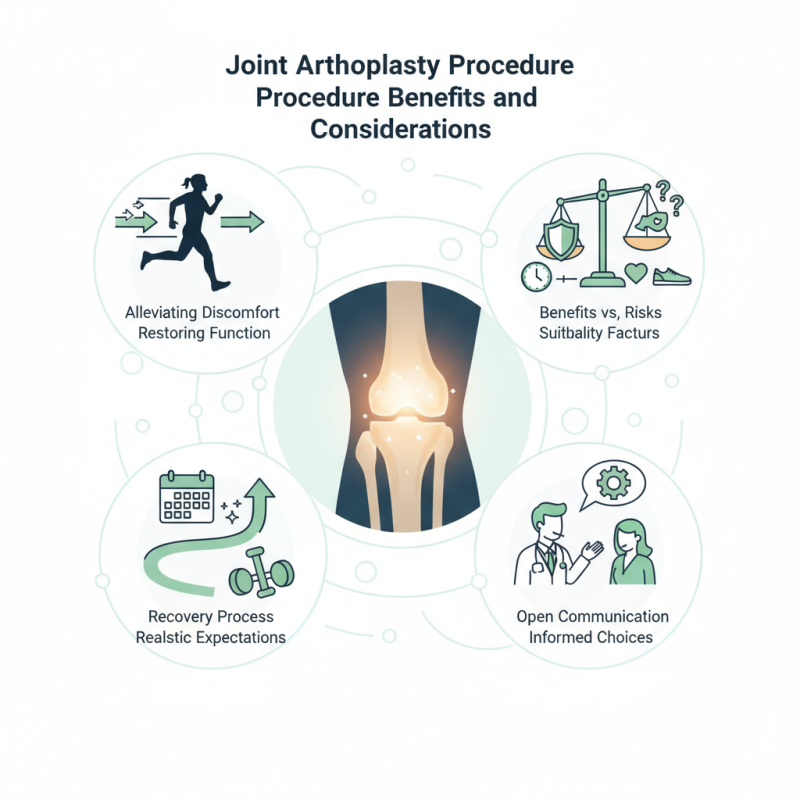
The Joint Arthroplasty Procedure is a critical surgical option for those suffering from severe joint pain and mobility issues. In China, healthcare professionals continue to refine these techniques to enhance patient outcomes. This procedure can alleviate discomfort and restore function, making it increasingly popular among patients and surgeons alike.
However, the decision to undergo a Joint Arthroplasty Procedure is not without challenges. Patients must weigh the benefits against potential risks. Factors such as age, overall health, and lifestyle play significant roles in determining the suitability of this surgery. Moreover, understanding the recovery process is vital for realistic expectations.
Despite advances in technology, the journey through joint arthroplasty can be complex. Some patients may experience unexpected complications or disappointments. It is essential to communicate openly with healthcare providers and consider all factors before proceeding. Ultimately, informed choices lead to better outcomes in joint replacement surgery.
China's Leading Joint Arthroplasty Procedures: An Overview
China has become a hub for joint arthroplasty procedures. With advancements in technology and surgical techniques, patients benefit significantly. The country’s healthcare system emphasizes minimally invasive methods, reducing recovery time and enhancing outcomes.
Leading procedures like total knee and hip arthroplasties are now performed with precision. According to a recent report, over 1 million knee replacements are conducted annually in China. This reflects not only the demand from an aging population but also improved access to quality care. Surgeons have become adept in navigating complex cases, enhancing overall patient safety.
Tips: Ensure you consult with a specialist experienced in joint surgeries. Ask about their success rates and the types of procedures they perform.
However, challenges remain. Post-operative infections and complications can hinder recovery. Transparency about risks is vital for patients making informed decisions. As joint arthroplasty evolves, continuous learning and adaptation are key for both patients and providers.
Tips: Engage in physical therapy early to aid recovery. Staying active can enhance your surgical outcomes.
Clinical Efficacy of Total Joint Arthroplasty in China: A Data Analysis
Total Joint Arthroplasty (TJA) has gained attention in China for its potential benefits in improving joint function. Recent data analysis reveals promising clinical outcomes. TJA procedures often lead to significant pain relief and mobility enhancement. Patients report greater satisfaction post-operation. The success of these procedures hinges on proper patient selection and surgical expertise.
However, there are considerations to keep in mind. Not all patients are ideal candidates. Age, weight, and underlying health conditions can impact results. In certain cases, complications can arise. These might include infections or implant failures. It is crucial for patients to have thorough pre-operative assessments. Understanding the risks can lead to better outcomes.
The analysis shows that while TJA is effective, continuous monitoring is necessary. Long-term studies are not yet widespread. Healthcare professionals must remain vigilant about patient follow-ups. This ensures that any issues are addressed promptly. TJA holds promise, but ongoing evaluation will determine its evolving role in joint health management.
Postoperative Recovery Metrics in Chinese Joint Arthroplasty Patients
Postoperative recovery metrics are essential in evaluating joint arthroplasty procedures in China. Recent studies show that about 85% of patients achieve significant pain relief within three months after surgery. This statistic points to the effectiveness of these procedures but also highlights variability in individual recovery rates. Factors such as age, comorbidities, and physical activity level can influence outcomes.
Complications can arise during recovery. Approximately 5-10% of patients experience prolonged swelling or stiffness. Such complications may delay rehabilitation and impact overall satisfaction. Despite technological advances, the need for personalized recovery plans is evident. Data suggests that tailored physiotherapy can enhance functional outcomes, showing improvements in mobility for about 70% of patients. This highlights the importance of continuous monitoring and adaptive recovery strategies in joint arthroplasty patients.
Cultural perceptions regarding joint surgery can also affect recovery. In some areas, there is a stigma surrounding surgical interventions, leading to delays in seeking care. This social dynamic complicates recovery metrics, as patient adherence to rehabilitation protocols can vary. Further research is necessary to understand these factors, ensuring that patients receive the best possible postoperative support.
China Best Joint Arthroplasty Procedure Benefits and Considerations
| Procedure Type |
Average Recovery Time (Weeks) |
Postoperative Pain Level (1-10) |
Complication Rate (%) |
Patient Satisfaction Rate (%) |
| Total Knee Arthroplasty |
6-12 |
3 |
2 |
90 |
| Total Hip Arthroplasty |
4-10 |
4 |
1.5 |
92 |
| Partial Knee Arthroplasty |
3-8 |
2 |
1 |
88 |
| Shoulder Arthroplasty |
5-11 |
3.5 |
3 |
89 |
| Ankle Arthroplasty |
6-12 |
3 |
2.5 |
91 |
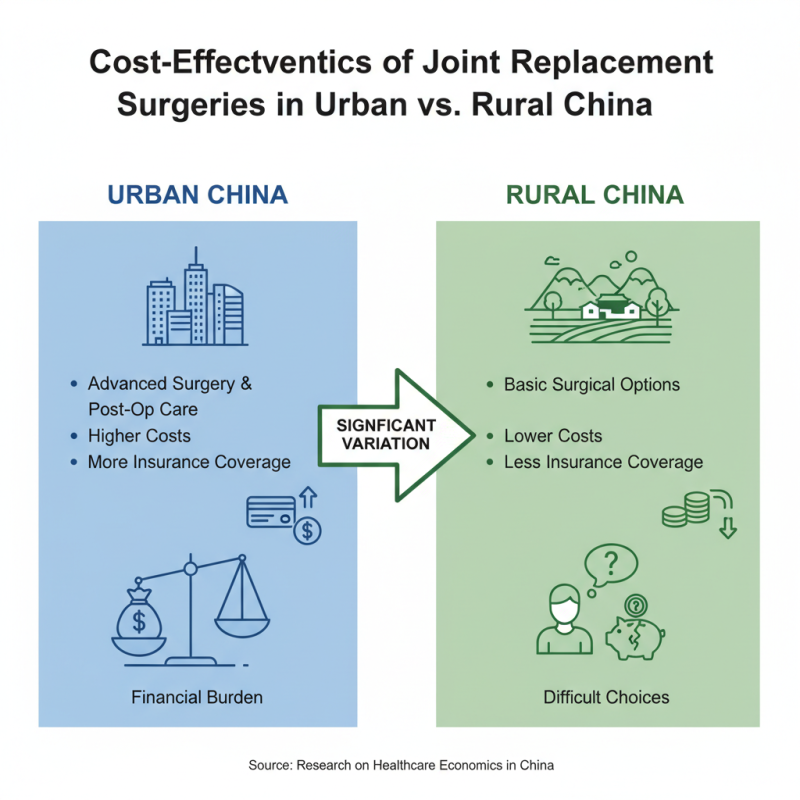
Cost-Effectiveness of Joint Replacement Surgeries in Urban vs. Rural China
In China, the cost-effectiveness of joint replacement surgeries varies significantly between urban and rural areas. Urban centers typically offer advanced surgical options and better postoperative care. However, these benefits often come with higher costs. Patients in urban areas may have more insurance coverage, making these surgeries more accessible. Yet, many still face financial burdens, leading to difficult choices.
Rural patients experience a different reality. Concerns about travel and accommodation increase their overall costs. Limited access to specialized medical facilities can delay treatment and worsen outcomes. These disparities raise important questions about equitable healthcare access.
**Tip:** Choosing the right facility can greatly impact recovery times. Research options in both urban and rural settings.
Reflection is essential. Many patients overlook the importance of follow-up care. Engaging with healthcare providers after surgery minimizes complications.
**Tip:** Always ask about rehabilitation options. A strong recovery plan leads to better long-term results.
Patient Satisfaction Rates and Quality of Life Post-Arthroplasty in China
Joint arthroplasty has become a common procedure in China, focusing on improving patient outcomes. Many patients report increased satisfaction rates post-surgery. Studies indicate that over 80% of individuals experience significant relief from pain after the procedure. Improved mobility often leads to a better quality of life. Activities that were once challenging can become manageable again.
However, not all experiences are perfect. Some patients struggle with rehabilitation. Physical therapy can be a long and taxing journey. Not every individual reaches their mobility goals. Follow-up care is crucial in these cases. Regular consultations with healthcare professionals can help address ongoing issues. Understanding potential complications or limitations is essential for patients considering this surgery.
Healthcare providers emphasize the importance of patient education. Comprehensive pre-operative counseling can set realistic expectations. Patients need to know that recovery can vary widely. Sharing experiences among peers can alleviate anxiety and foster a supportive environment. Despite some challenges, many find joint arthroplasty to be life-changing.
Patient Satisfaction Rates and Quality of Life Post-Arthroplasty in China
This bar chart illustrates the patient satisfaction rates before and after joint arthroplasty procedures in China, demonstrating significant improvement in quality of life over time.