How to Choose the Right External Fixation System for Your Needs?
Choosing the right External Fixation System can be challenging. Many options exist, each designed for specific needs. A proper selection is crucial for successful recovery.
Factors to consider include patient needs, fracture types, and bone quality. The right system can enhance healing and reduce complications. However, not all systems fit every patient. Some patients may experience discomfort, while others may need adjustments during treatment.
Consulting with experienced professionals is essential. Their expertise influences the outcome. An informed choice can greatly impact recovery time and overall results. Balancing personal needs with professional advice leads to more reliable decisions. Understanding these factors helps establish a confident path to recovery.
Understanding External Fixation Systems: An Overview
External fixation systems play a crucial role in orthopedic surgery. These devices stabilize fractures or support bone healing. They can be particularly beneficial for complex injuries or when traditional casting isn't sufficient. Understanding how these systems work is essential for making informed decisions.
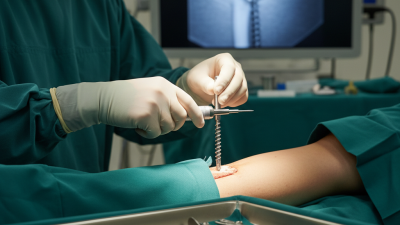
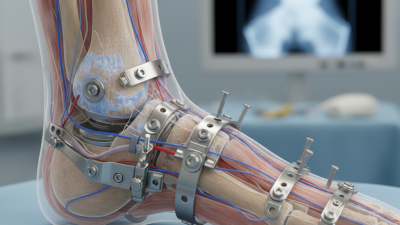
External fixation devices consist of pins, rods, and clamps. The pins are inserted into the bone, providing stability. The rods connect the pins externally, allowing for adjusted tension and alignment. This adaptability is vital, as each patient's needs can vary greatly. However, improper application can lead to complications, such as infection or misalignment.
Patient comfort is another aspect to consider. Some find external fixation cumbersome or uncomfortable. Vigilance in monitoring skin integrity around the pins is important. Patients must be educated on how to care for the site. They should regularly clean the area to reduce infection risk. Choosing the right system requires not only knowledge but also awareness of personal and surgical needs.
Key Factors to Consider When Choosing an External Fixation System
Choosing the right external fixation system is crucial for effective treatment. Several key factors influence this decision. Patient-specific needs are one of the most important aspects. For instance, the type of injury or bone deformity will dictate the kind of fixation required. A study published in the Journal of Orthopedic Trauma noted that over 65% of complications stem from inappropriate fixation types for specific injuries.
Another essential consideration is the ease of use and application of the system. Surgeons often prefer systems that minimize surgical time and reduce patient discomfort. According to a report from the American Academy of Orthopaedic Surgeons, systems with modular designs can significantly improve surgical efficiency. Additionally, post-operative care should be factored in. Some fixation systems require more intensive follow-up, which may affect patient compliance.
Patient preferences cannot be overlooked. The psychological aspect plays a role too. A fixation system that appears bulky or uncomfortable may deter adherence to treatment. Feedback from patients often highlights the need for designs that balance stability and comfort. While each of these factors holds weight, there is no one-size-fits-all solution. As you evaluate options, continuous reflection on these dynamics can lead to better patient outcomes.
Types of External Fixation Systems and Their Applications
When selecting an external fixation system, understanding its types and applications is crucial. There are various systems designed for different needs. For example, ring fixators are versatile and often used in complex fractures. They provide stability while allowing for adjustments. Meanwhile, traditional uniplanar fixators offer good support for simple bone fractures. Both types serve distinct purposes in orthopedic care.
Tips: Consider the location of the fracture. Some systems are better suited for lower limbs, while others excel in upper limb applications. It’s essential to analyze the injury's nature before deciding.
Moreover, hybrid fixators combine features from different systems, offering benefits in specific cases. They are useful when dealing with deformities or bone loss. This adaptability makes them valuable but can also complicate the decision-making process. Weigh your options carefully.
Lastly, consultation with a healthcare professional is always advisable. They can provide insights tailored to individual cases. Keep in mind that no fixator is perfect. Each has its limitations and potential complications. Understanding these details aids in making informed choices.
Assessing Patient Needs and Treatment Goals
When selecting an external fixation system, understanding patient needs is crucial. Assessing the extent of the injury is a key first step. Consider the type, location, and severity of fractures. Some patients may face complex conditions. Others might require simpler solutions. Discussing these factors with the patient can reveal their unique expectations and concerns.
Treatment goals should align with these needs as well. For example, is the priority to stabilize a fracture, or to enable early mobility? Careful consideration of these objectives can guide the choice of fixation system. Some systems offer versatility, while others prioritize strength. Engaging in direct dialogue with the healthcare team is essential. This facilitates shared decision-making, ensuring the chosen system reflects the patient’s lifestyle and recovery goals.
It’s important to remain aware of the limitations of external fixation systems. They may not be suitable for every individual. Potential complications also exist, such as infection or discomfort. Reflecting on these challenges allows for better preparation. The goal is to empower patients through informed choices.
How to Choose the Right External Fixation System for Your Needs? - Assessing Patient Needs and Treatment Goals
| Parameter |
Description |
Considerations |
| Patient Condition |
Type of fracture or injury being treated |
Specific needs based on patient anatomy and health |
| Duration of Treatment |
Estimated time the fixation will be needed |
Efficient pin site care and maintenance |
| Stability Requirements |
Need for rigid or flexible fixation |
Balance between mobility and stability |
| Patient Lifestyle |
Patients’ daily activities and compliance |
Ease of use and comfort with the fixation device |
| Surgeon Experience |
Surgeon’s familiarity with fixation types |
Preference based on past successes and outcomes |
| Cost and Accessibility |
Budget constraints for treatment |
Insurance coverage and availability of devices |
Evaluating Quality and Cost of External Fixation Options
Choosing the right external fixation system involves a careful assessment of quality and cost. Quality can be determined by evaluating materials and construction. Systems made from high-grade metals offer durability. The design should ensure stable fixation while avoiding soft tissue irritation. Sometimes, surgeons have strong preferences based on their experience. Listening to their insights may provide valuable information.
Cost is another important factor. It’s essential to balance price and function when selecting a system. Some high-cost options may not provide significant advantages over mid-range products. It’s also worth considering potential hidden costs, such as maintenance or required accessories. Analyzing these factors helps in making an informed decision.
Reflecting on past choices is crucial in this field. What worked well? What didn’t? Each case can provide lessons for future use. Documentation of outcomes can guide better decisions later. Individual needs can vary, so tailoring choices to specific situations often yields the best results. This process of evaluation may feel daunting, but it’s an integral part of ensuring optimal patient care.
External Fixation System Evaluation