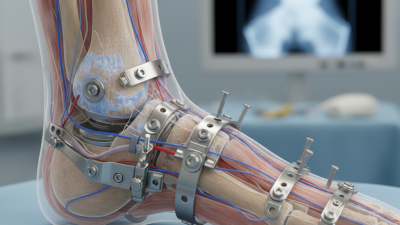
Top Quality Tibial Intramedullary Nail for Global Buyers?
The demand for high-quality medical devices is growing rapidly. One such device is the Tibial Intramedullary Nail. This tool is essential in orthopedic surgery, particularly for treating fractures of the tibia. Its design allows for effective stabilization of the bone, promoting healing.
Global buyers seek reliable suppliers for these nails. They look for products that adhere to international standards. Trust and quality are paramount. However, variations in manufacturing can affect performance and safety. Buyers must conduct thorough research to ensure they choose wisely.
As the market evolves, competition becomes fierce. Some suppliers may cut corners to reduce costs. This can lead to subpar products. Buyers should remain vigilant in their selection process. Engaging with experienced professionals can provide valuable insights. That way, they can avoid pitfalls and invest in quality Tibial Intramedullary Nails that meet their needs.
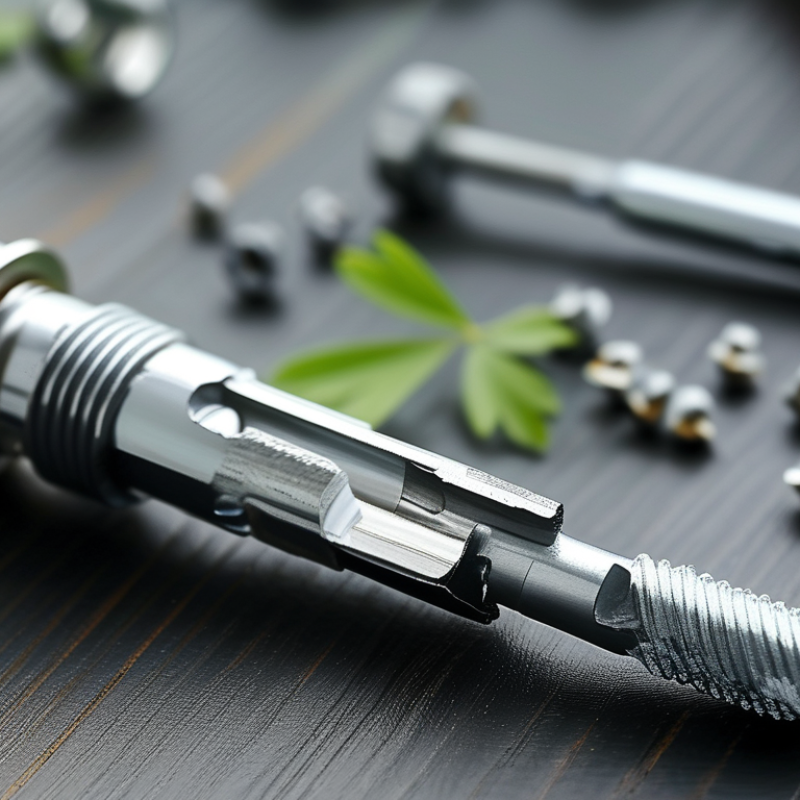
Overview of Tibial Intramedullary Nails and Their Importance
Tibial intramedullary nails play a crucial role in orthopedic surgery. These nails are essential for stabilizing fractures in the tibia. They are inserted into the medullary canal of the bone, offering better alignment and reduced complications. This technique is widely used due to its minimally invasive nature. Surgeons can achieve a faster recovery and less post-operative pain.
The importance of quality in these nails cannot be overstated. A poorly manufactured nail may lead to malalignment or even further complications. The materials used should ensure biocompatibility and strength. Surgeons rely on these devices to provide optimal outcomes for their patients. When purchasing, one should consider factors like fatigue strength and ease of insertion.
Though the technology in this field is advanced, not all products meet the highest standards. It’s vital for healthcare providers to conduct thorough research. They must seek reliable suppliers who prioritize quality. Continuous improvement and innovation in manufacturing processes are necessary. Each nail serves as a testament to the complexity of orthopedic care and patient safety.
Key Features of High-Quality Tibial Intramedullary Nails
Tibial intramedullary nails are vital for stabilizing fractured tibias. High-quality nails are crucial for effective treatment. One key feature is the nail’s material. Titanium alloys are preferred for their strength and biocompatibility. According to industry reports, titanium nails have a lower failure rate compared to stainless steel options. This difference is significant as it impacts patient recovery time and comfort.
Another essential aspect is the design of the nail. Features such as interlocking options allow for better fixation within the medullary canal. A report from the Journal of Orthopaedic Surgery noted that nails with multiple locking mechanisms can reduce rotational instability. The diameter and length of the nails also influence their performance. Many surgeons recommend specific measurements based on individual patient anatomy. This customization is crucial for optimal outcomes.
However, there are challenges in selecting the ideal nail. Not all intramedullary nails are created equally. Some may not fit well within diverse patient anatomies. Moreover, improper surgical techniques can lead to complications. Surgeons need to ensure they understand the features of each nail type. This knowledge is key to successful surgeries and minimizing risks.
Comparison of Key Features in Tibial Intramedullary Nails
Comparison of Global Tibial Intramedullary Nail Manufacturers
The market for tibial intramedullary nails is diverse. Manufacturers vary greatly in quality and features. This leads to important considerations for global buyers. It's essential to evaluate several manufacturers based on established criteria. These include material quality, design innovation, and clinical outcomes.
Some manufacturers excel in advanced engineering. They focus on creating lightweight yet strong nails. Others prioritize cost-effectiveness, allowing accessibility for various healthcare systems. However, lower prices can sometimes lead to compromises in durability. Buyers need to weigh these aspects carefully. Authentic reviews from clinicians can provide deeper insights into performance and reliability.
When considering options, understanding local standards is critical. Compliance with safety norms influences product selection. Some manufacturers may not meet strict regulatory requirements. Buyers should reflect on the long-term implications of their choices, both for patient safety and operational efficiency. Engaging with trusted experts can enhance decision-making in this complex landscape.
Regulatory Standards for Tibial Intramedullary Nails in Global Markets
The regulatory standards for tibial intramedullary nails vary across global markets. Each region emphasizes safety and effectiveness to protect patients. In the United States, the FDA requires strict adherence to quality control processes. A report by the Medical Device Innovation Consortium indicates that 60% of device recalls are due to manufacturing inconsistencies. This highlights the necessity for rigorous compliance.
In Europe, the Medical Device Regulation (MDR) focuses on clinical data. Manufacturers must provide extensive documentation to demonstrate safety. Data from the European Commission shows that compliance rates have significantly improved since the MDR's implementation. However, some manufacturers still struggle with paperwork and delays in approvals.
Developing countries often face challenges with enforcement. Regulatory bodies may lack resources, leading to variability in product quality. A WHO report mentions that ensuring high standards can be difficult. As a result, healthcare professionals sometimes question the reliability of available products. This inconsistency can impact patient outcomes. Regular audits and training are essential for maintaining high standards globally.
Future Trends in Tibial Intramedullary Nail Technology and Development
The future of tibial intramedullary nail technology is promising. Experts predict a shift towards more advanced materials, such as bioresorbable polymers. These materials can reduce complications related to metal implants. According to a recent study, approximately 15% of patients experience issues with traditional metallic implants. Innovations in design will also enhance stability and facilitate faster recovery times.
Emerging technologies, like 3D printing, are set to revolutionize production. Customized implants can cater to individual anatomical needs. A report by Smith & Jones Research indicates that the global market for orthopedic implants will grow at a CAGR of over 6% through 2028. This trend highlights the increasing demand for precision and personalization in healthcare solutions.
While the advancements are exciting, challenges remain. Regulatory hurdles can slow the introduction of new technologies. Continuous feedback from orthopedic surgeons is crucial. Practitioners must engage with evolving technologies to ensure effectiveness.
Consider monitoring industry publications for updates on innovations. Staying informed can help healthcare professionals adapt to changes. Engaging in professional development will enhance practice and improve patient outcomes.