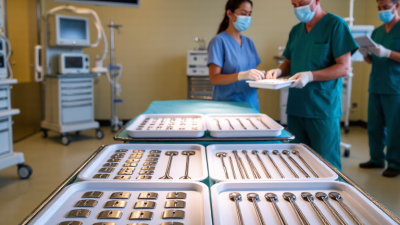
2026 Top Pediatric Orthopedic Surgery Hospitals
Choosing a hospital for a child’s orthopedic care involves more than comparing names on a list. The 2026 Top Pediatric Orthopedic Surgery Hospitals guide offers a starting point for families considering where to seek evaluation and treatment. Pediatric Orthopedic Surgery addresses conditions affecting growing bones, joints, muscles, and the spine. A child’s needs can change as they grow.
Pediatric orthopedic surgeon Dr. James H. Beaty is associated with a central principle of the specialty: “Children are not simply small adults.” Their bones are still developing. A treatment that suits an adult may not suit a child, and timing can matter. Ask how the care team handles your child’s specific condition, explains options, and coordinates follow-up. Look for clear communication, relevant specialist experience, and practical support for families. Details matter.
Hospital comparisons can be useful, but they have limits. Rankings may use different measures, and a high position cannot guarantee the right fit for every child. A clinic visit may raise new questions; that is normal. Families can ask about expected recovery, possible risks, second opinions, and how progress will be monitored. This guide introduces hospitals and factors worth considering, rather than replacing advice from a qualified clinician. The best choice should reflect the child’s diagnosis, the family’s circumstances, and a careful discussion with the care team.

Table of Contents
[Hide]
Understanding Pediatric Orthopedic Surgery and Its Scope
2026 Top Pediatric Orthopedic Surgery Hospitals
Understanding Pediatric Orthopedic Surgery and Its Scope
Pediatric orthopedic surgery addresses conditions affecting children’s bones, joints, muscles, and growth. Children are not simply smaller adults. Their bones are still developing, and growth plates can influence both treatment choices and long-term alignment. A specialist may assess a newborn’s hip movement, a child’s uneven gait, or a teenager’s knee pain after sports. Small details matter.
Not every problem requires surgery. Care may include observation, physical therapy, bracing, casting, or an operation, depending on the diagnosis and the child’s age. Surgeons commonly treat fractures, limb differences, spinal conditions, and developmental or neuromuscular disorders. Imaging, a physical examination, and the child’s medical history help guide decisions. The family should understand the expected benefits, risks, and recovery demands before choosing a plan.
Recovery is part of treatment. A child might need crutches, a cast, or help climbing stairs at home. Follow-up visits can check healing and monitor growth, since some concerns change over time. Coordination with pediatricians, therapists, and other specialists may also be important. Even with a careful plan, uncertainty can remain; children heal at different rates, and progress may not be perfectly smooth. Parents can ask what changes should prompt a call and how school or sports may be affected.
Criteria for Evaluating Pediatric Orthopedic Hospitals in 2026
In 2026, evaluating a pediatric orthopedic hospital means looking beyond its reputation. Check whether the team routinely treats your child’s specific condition, from complex fractures to spinal deformities. Ask who performs surgery, how pediatric anesthesia is provided, and whether rehabilitation begins before discharge. Practical details matter: clear cast-care instructions, accessible follow-up, and a plan for pain control can shape recovery at home.
Safety data offer one useful, though incomplete, comparison. The 2021 National Pediatric Readiness Project assessment, reported in Pediatrics in 2023, included 4,149 emergency departments and found a median pediatric-readiness score of 69.5 out of 100.
Readiness is not an orthopedic surgery rating, but it can help families ask how a hospital prepares for children’s urgent needs.
Request understandable outcome information, including complications, infection rates, and unplanned returns to surgery. Also ask how results are adjusted for case complexity; raw numbers can mislead when hospitals treat different patients.
Listen for specific answers. A polished brochure is not enough. Hospitals may not publish every measure, and that gap deserves a direct question, not an assumption.
Hospitals Recognized for Pediatric Orthopedic Surgery in 2026
2026 Top Pediatric Orthopedic Surgery Hospitals
Hospitals recognized for pediatric orthopedic surgery in 2026 offer families a starting point for learning about specialized care. Recognition can reflect factors such as clinical expertise, safety practices, and support for children with complex bone, joint, or movement conditions. The details behind each recognition matter. Families should check the criteria and date, since lists may use different methods and cannot predict one child’s outcome.
Good pediatric care is visible in practical moments: a clinician explaining an X-ray at a child’s eye level, a cast checked for comfort, or a therapist helping a young patient practice a careful step. Teams may include orthopedic surgeons, nurses, anesthesiology professionals, and rehabilitation specialists.
Small details matter.
Ask how the team handles pain, follow-up visits, and coordination with a child’s regular doctor. For a second opinion, bring imaging, medication details, and questions about recovery time. Recognition is useful context, not a substitute for discussing the child’s needs directly.
Choosing care can still feel uncertain; even a well-regarded hospital may not be the right fit for every family.
Specialties, Treatments, and Innovations at Leading Centers
Leading pediatric orthopedic centers combine subspecialty care with treatment plans built around growth. Teams may include pediatric spine, sports, trauma, limb reconstruction, and neuromuscular specialists. The CDC estimates clubfoot affects about one in every 1,000 U.S. births. Many infants begin with serial casting; surgery may be considered when deformity persists. For scoliosis, clinicians weigh curve progression, skeletal maturity, and daily function—not an X-ray alone. Small details matter.
Newer care can include low-dose imaging, computer-assisted planning, growth-friendly spinal implants, and guided-growth procedures that gradually correct limb alignment. Three-dimensional models may help surgeons plan complex reconstructions, though availability differs between centers. WHO’s 2023 road-safety report identifies traffic injuries as the leading cause of death for people aged 5–29, underscoring the value of pediatric trauma expertise. Technology helps. Long-term follow-up still matters, especially while bones grow. Families should ask how a center measures outcomes, explains alternatives, and coordinates rehabilitation. Innovation can be impressive, but some approaches have limited long-term evidence, and access remains uneven.
2026 Top Pediatric Orthopedic Surgery Hospitals — Conditions Treated
Reported occurrence estimates for conditions commonly treated by pediatric orthopedic teams (per 1,000 children or births).
The scoliosis bar uses the midpoint of the reported 2–3% range. Estimates use different age groups and case definitions, so they should not be compared as equivalent risks. Sources: scoliosis, cerebral palsy, and clubfoot.
Factors to Consider When Choosing a Pediatric Orthopedic Hospital
2026 Top Pediatric Orthopedic Surgery Hospitals
When comparing pediatric orthopedic hospitals, look beyond rankings and consider the care your child actually needs. A complex spinal condition may require different expertise than a broken arm or a gait concern. Ask whether the team regularly treats your child’s diagnosis and can explain the likely options, risks, and recovery process in clear language.
Check how surgeons work with pediatric anesthesiologists, nurses, physical therapists, and other specialists. This coordination can matter when a child needs surgery and rehabilitation. Ask what pain control and follow-up typically involve. Details matter. A practical answer might describe when a child can bear weight, who changes a dressing, and whom to call after hours. Outcomes and complication information can be useful, but ask how the hospital measures them and whether they apply to your child’s situation.
Consider the experience outside the operating room, too. Can staff help a nervous child understand what will happen? Are interpreters, accessible facilities, and family-friendly visiting arrangements available? Review travel time, insurance coverage, and appointment access before deciding. It is easy to overvalue impressive equipment; consistent communication and a realistic care plan matter just as much. No list is perfect. Bring your questions to the child’s clinician, and ask for a second opinion if important concerns remain.
2026 Top Pediatric Orthopedic Surgery Hospitals – Factors to Consider When Choosing a Pediatric Orthopedic Hospital
Use this comparison table to evaluate pediatric orthopedic programs. Hospital-specific rankings and outcome figures are not included; request current, comparable data directly from each hospital.
| Factor | What to Compare | Useful Evidence to Request | Why It Matters |
|---|---|---|---|
| Pediatric-specific expertise | Training and current practice focused on children and adolescents; experience with the child’s specific diagnosis. | Surgeon credentials, pediatric orthopedic fellowship training, and experience treating the condition and age group. | Children’s bones and growth plates differ from adults’ and may require age-specific evaluation and treatment. |
| Relevant procedure experience | How often the team performs the proposed operation and treats comparable cases. | Annual procedure counts, the period covered, and the number of cases similar to the child’s condition. | Overall surgical volume alone may not reflect experience with a particular procedure or diagnosis. |
| Outcomes and safety | Complications, unplanned readmissions, reoperations, and outcomes relevant to the proposed procedure. | Recent rates with definitions, time periods, case counts, and risk-adjustment methods; ask how results compare with appropriate benchmarks. | Figures are meaningful only when populations, definitions, and follow-up periods are comparable. |
| Multidisciplinary care | Access to relevant clinicians such as pediatric anesthesiology, radiology, rehabilitation, and other medical specialists. | Who participates in care planning and how consultations, referrals, and follow-up are coordinated. | Some orthopedic conditions involve medical, developmental, or rehabilitation needs beyond the operation itself. |
| Pediatric anesthesia and pain care | Anesthesia planning for children, pain-control options, and support for children with complex health needs. | Whether pediatric anesthesia clinicians are involved and how pain, nausea, and recovery are managed. | A child’s age, health, procedure, and medication history can affect anesthesia and recovery planning. |
| Rehabilitation and follow-up | Physical or occupational therapy access, follow-up schedule, and monitoring of healing and growth. | Written recovery milestones, therapy arrangements, imaging plan, and contact instructions after discharge. | Recovery and return to school, sports, or daily activities depend on the diagnosis and procedure. |
| Urgent and complex-care support | Availability of urgent assessment and access to higher-level pediatric medical support when needed. | After-hours contact process, emergency arrangements, and transfer or escalation procedures. | Families should understand where to seek help if symptoms worsen or an urgent problem occurs. |
| Communication and shared decisions | Clear explanations of diagnosis, alternatives, risks, expected recovery, and the option of a second opinion. | A written treatment plan, interpreter access when needed, and an identified contact for questions. | Families need understandable information to make informed decisions and prepare for care. |
| Access and practical considerations | Appointment availability, travel distance, insurance coverage, expected costs, and accommodation needs. | Estimated wait times, written cost information, network status, and available family-support services. | Follow-up visits and rehabilitation can make location, coverage, and scheduling important parts of care. |
Related Posts
-
2026 Top Pediatric Orthopedic Surgery Equipment Suppliers?
-

2026 How to Prepare for Limb Lengthening Surgery Effectively?
-

2026 Top Minimally Invasive Orthopedics Suppliers?
-
How to Choose Minimally Invasive Orthopedic Implants?
-
What is Tibial Intramedullary Nail and How Does It Work?
-
What Are China Top Clavicle Fracture Treatment Suppliers?